

























































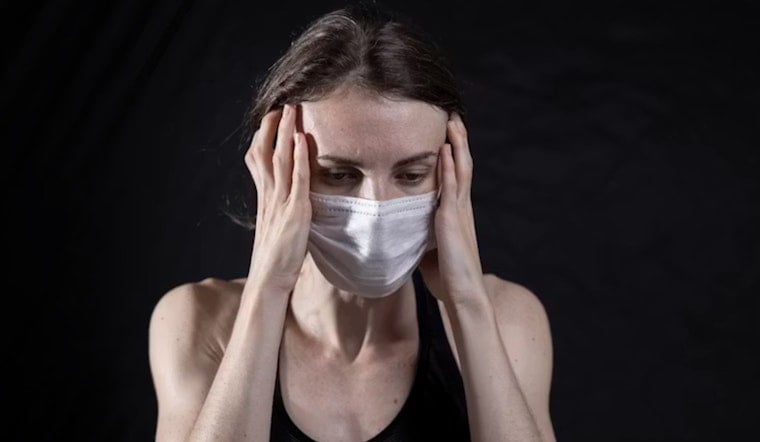
A growing body of cases at Northwestern Medicine’s Neuro COVID‑19 clinic is telling a sobering story: women with long COVID are showing up with more persistent neurologic symptoms than men and are less likely to experience steady recovery, according to local clinicians. The complaints cluster around memory glitches, trouble concentrating and grinding fatigue, a pattern that has drawn recent media attention and has Chicago neurologists rethinking how they handle evaluations, workplace accommodations and long‑term care plans.
Northwestern app study tracked recovery
In a paper published Jan. 12 in BMC Neurology, Northwestern researchers followed Neuro‑PASC patients through a MyChart‑linked mobile tracker and sorted them into “improvers” and “non‑improvers” over three months. About 43% showed measurable gains while 57% did not, and women were less likely to land in the improving group. Dr. Igor Koralnik, who leads Northwestern’s Neuro COVID‑19 Clinic, told WBEZ that progress often comes in fits and starts, noting that the question he hears most is, “When am I finally going to improve?”
Findings echo larger national studies
That Chicago signal is not an outlier. The NIH RECOVER consortium reported in JAMA Network Open that female sex was associated with a higher likelihood of long COVID in a large U.S. cohort. Local coverage, including a segment on CBS News Chicago, has connected that national pattern to the Northwestern clinic’s findings. Together, researchers say the data point to a reproducible sex gap in symptom burden, especially fatigue, brain fog and neurosensory complaints.
Possible biological and social drivers
Scientists are careful not to jump ahead of the evidence, but they do see plausible biological explanations on the table. Recent immunology work has flagged sex‑specific changes that could help explain why women report more stubborn cognitive and sensory symptoms. A study in Biology of Sex Differences described reduced CD8+ T‑cell cytotoxic markers in females with prolonged symptoms, and other teams have reported related immune‑profile differences in preprints such as the medRxiv analysis of sex differences in long‑COVID immune signatures. At the same time, researchers stress that social factors like care‑seeking patterns, underlying health conditions and job‑related exposures may also influence who ends up in specialty clinics.
Where to turn in Chicago
Chicagoans dealing with lingering problems such as concentration issues, memory lapses, dizziness or unexplained fatigue can be evaluated at Northwestern Medicine’s Comprehensive COVID‑19 Center and other specialty programs that offer cognitive testing and rehabilitation. Northwestern also posts patient resources and follow‑up study information online, and clinicians say walking in with symptom logs or screenshots from a tracking app can make those short visits far more efficient. Clinic details are listed on Northwestern Medicine’s long COVID resource page.
Researchers emphasize that these findings are an early step toward targeted treatments, not definitive proof of what causes long COVID. They say better biomarkers and larger, more diverse cohorts are still badly needed. In the meantime, Chicago neurologists urge patients, families and employers to take persistent neurologic complaints seriously and to document symptoms carefully when seeking care.





