

























































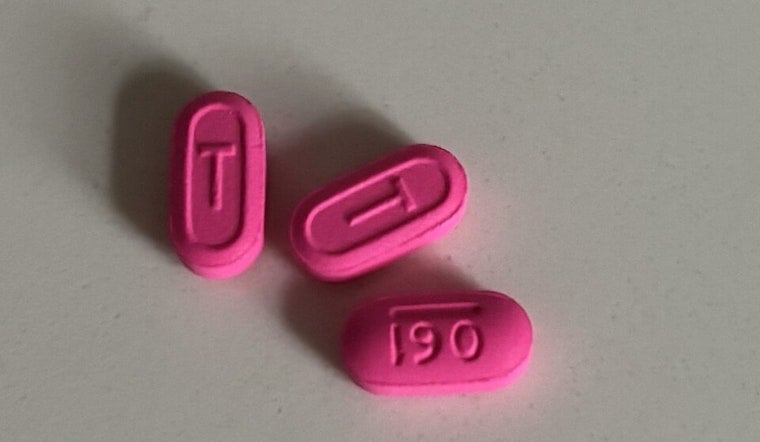
The viral "Benadryl challenge" is back in circulation on social media, and Cincinnati poison-control experts are not exactly cheering it on. Local toxicologists report a recent bump in teens taking large doses of over-the-counter Benadryl, and say calls and cases tied to intentional diphenhydramine misuse among adolescents are climbing, prompting Cincinnati Children’s poison specialists to warn parents and caregivers.
Speaking with WLWT, Dr. Shan Yin, medical director of the Cincinnati Drug and Poison Information Center at Cincinnati Children’s, said many teens underestimate the danger because they feel invincible. He added that peer pressure and the pull of internet attention are driving some adolescents toward the so-called "Benadryl challenge," and that staff has seen an uptick in intentional overdoses across southwest and northeast Ohio.
A health advisory from America’s Poison Centers reports that in the first five months of 2026 there were 6,179 diphenhydramine-only cases among teens, more than double the number from the same period in 2025. The advisory also notes that 13.2 percent of teen diphenhydramine-only cases this year were tied to intentional abuse, up from 7.3 percent in 2020.
The Food and Drug Administration warns that taking higher-than-recommended doses of diphenhydramine "can lead to serious heart problems, seizures, coma, or even death." The FDA and poison experts say large amounts can also trigger delirium, a racing heart, hallucinations, and seizures that sometimes require intensive care.
What Local Experts Recommend For Parents
Poison-control specialists urge families to keep medicines stored out of sight or locked up, to keep an eye on pill counts, and to talk early and often with teens about peer pressure and social-media stunts. As outlined by America’s Poison Centers, caregivers should follow label directions closely and call Poison Help at 1-800-222-1222 for immediate guidance. The Cincinnati Drug and Poison Information Center also runs a 24-hour clinical hotline for local callers.
When To Seek Emergency Care
If a child is hard to wake up, has a seizure, struggles to breathe, or collapses, experts say to call 911 and get emergency medical help right away. For other suspected exposures, poison-control professionals recommend calling Poison Help at 1-800-222-1222 so trained staff can triage symptoms and advise whether a hospital visit is needed, consistent with FDA guidance.
Officials warn that risky behavior can spread quickly online, and they urge parents to watch for sudden mood shifts, missing pills, or unusual behavior that might hint at misuse. Dr. Yin told WLWT that poison centers and hospitals are tracking cases closely and stand ready to help families who suspect an exposure.



