

























































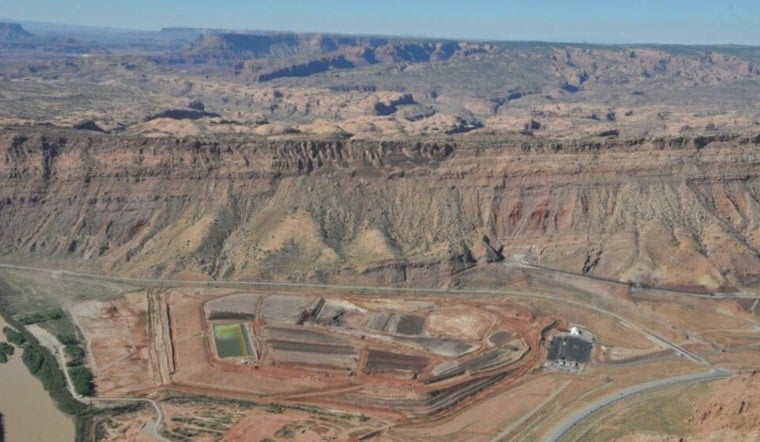
For years, a flat, sandy stack of uranium mill tailings sat on the north bank of the Colorado River just outside Moab, a quiet but stubborn threat to anyone living or farming downstream. Federal cleanup crews now say most of that waste has finally been hauled away, and the site is edging toward something locals have waited on for decades: a life after remediation.
Federal Audit Lays Out The Damage And The Bill
A report from the U.S. Government Accountability Office released July 15 finds that the Department of Energy has already removed more than 16 million tons of uranium mill tailings and related material. The cleanup has cost about $970 million through fiscal year 2025, with total spending projected to land near $1.16 billion. According to the GAO, the Office of Environmental Management is aiming to wrap up excavation and close the disposal site by 2029. The audit also notes DOE’s expectation that most of the remediated mill property could be handed over to Grand County for local use, while federal agencies keep long-term responsibility for the disposal cell itself.
How Crews Hauled Away A Man-made Mountain
According to the Department of Energy, workers have been loading the tailings into sealed containers, lifting them to a rail bench, then shipping them about 30 miles north to an engineered disposal cell at Crescent Junction for permanent burial. The original mill site spread across roughly 480 acres, and the old processing operation once chewed through about 1,400 tons of ore a day, as reported by the Salt Lake Tribune. The project also includes interim covers on waste areas and active systems that extract and inject groundwater, all intended to keep contamination from creeping into the Colorado River.
What Local Leaders Are Planning Next
Grand County officials and community advocates have been sketching out what the cleaned-up stretch of riverfront might become, from trails and parks to new public access points, according to materials posted by Grand County. On Capitol Hill, federal lawmakers are trying to clear the legal path for that vision: the Moab UMTRA Project Transition Act (S.1321) would authorize DOE to convey the cleaned mill site to the county at no cost once remediation is complete, per Congress.gov. Local leaders argue that reimagining the area could add fresh recreation and tourism options, and help broaden an economy that has leaned heavily on outdoor visitation for decades.
Legal And Legislative Fine Print
The proposed transfer language would allow DOE to convey the remediated mill site to Grand County, while the agency is still expected to keep ownership or long-term responsibility for the Crescent Junction disposal cell. That split control means formal agreements will be needed to nail down how monitoring and funding are handled. The GAO report highlights the need for clear, coordinated stewardship between the Office of Environmental Management and the Office of Legacy Management once the active cleanup is closed out.
Long-term Watch On Groundwater And The Colorado River
Even after the last load of tailings leaves Moab, groundwater cleanup and long-term monitoring will continue for decades to protect the Colorado River and the communities and ecosystems that rely on it. The Department of Energy says the Office of Legacy Management will take over long-term care of the disposal cell and run monitoring systems to spot and address any emerging risks. Both officials and auditors stress that the real test will come after the headlines fade, when steady funding and engaged local oversight are needed to make sure the benefits of this billion-dollar cleanup actually last.





