

























































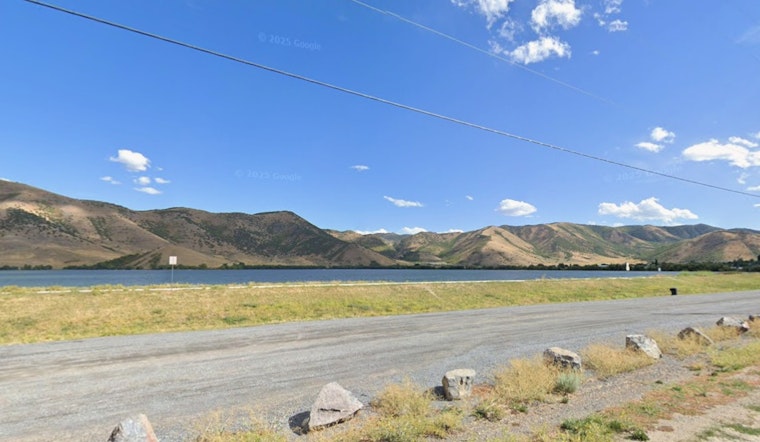
Mantua Reservoir in Box Elder County is under a full-blown danger advisory after a harmful algal bloom showed up in the water, prompting state and local health officials to warn visitors to stay out and keep pets away. The alert tells anyone heading to the reservoir to watch for visible scum or a paint-like sheen along the shore, which may be cranking out cyanotoxins that can sicken people, pets, and wildlife. Crews are sampling and monitoring the bloom while agencies weigh whether parts of the reservoir will need to be temporarily closed.
Local Health Officials Raise The Red Flag
The Bear River Health Department has Mantua Reservoir listed under a "Danger Advisory" and is telling visitors not to swim, wade, boat, or let animals get into the water, according to the Bear River Health Department. Local outlets quickly picked up the story, with early reports describing the advisory and initial state sampling efforts, including coverage from KSL NewsRadio.
What A Danger Advisory Really Means For Your Day On The Water
A "Danger Advisory" is the top-tier warning used by state health officials, signaling that toxin thresholds have been exceeded and that the algal bloom is either large or producing high levels of harmful toxins, according to the Utah Department of Environmental Quality. During this type of advisory, the state strongly urges people to skip swimming, water skiing, and boating, and to keep animals far from the shoreline. Officials post monitoring updates and lab results on the state recreational-water pages while crews continue testing.
State Crews Hit The Water After Photos Raised Alarms
Division of Water Quality crews moved in for follow-up sampling after photos from the Brigham City area showed a bloom that looked a lot like spilled paint, along with clumps of harmful algal bloom material along the northeast shore, according to FOX 13. That reporting noted that the state collected both surface and water-column samples for lab analysis as officials work to nail down toxin concentrations and possible next steps. Some outlets also reported at least one dog death suspected to be linked to cyanotoxin exposure while authorities continue to investigate.
Why Pets Take The Hardest Hit
Pets are especially vulnerable around harmful algal blooms. They can get exposed by drinking contaminated water, chewing on algae mats, or licking algae off their fur. The state warns that symptoms may include excessive drooling, vomiting, diarrhea, stumbling, and seizures. If exposure is suspected, owners are urged to rinse animals with fresh water and get veterinary care immediately, the Utah DEQ notes. The agency also lists resources for veterinarians and poison-control hotlines.
Mantua’s Recurring Algae Problem
Mantua Reservoir has a track record of seasonal harmful algal blooms and previous temporary closures, and researchers have repeatedly pointed to nutrient loading as a major culprit. A senior project at Utah State University that reviewed Mantua found that excess phosphorus in the watershed helps fuel recurring blooms, while regional reporting has documented earlier shutdowns of recreation when toxin levels spiked. Those patterns keep both quick-hit treatments and longer-term watershed work on the table for local managers and researchers.
Check The Map Before You Pack The Cooler
Before heading out, officials urge visitors to look at the live advisory map at HABs Utah for the latest status. If you spot suspicious scum, avoid contact, keep pets away, and consider snapping photos so agencies have more to work with. Possible blooms can be reported to the state’s environmental incidents line at 801-536-4123, which takes calls 24 hours a day. If a person or animal starts showing symptoms after water exposure, health officials say it is time to seek medical or veterinary care right away.


