

























































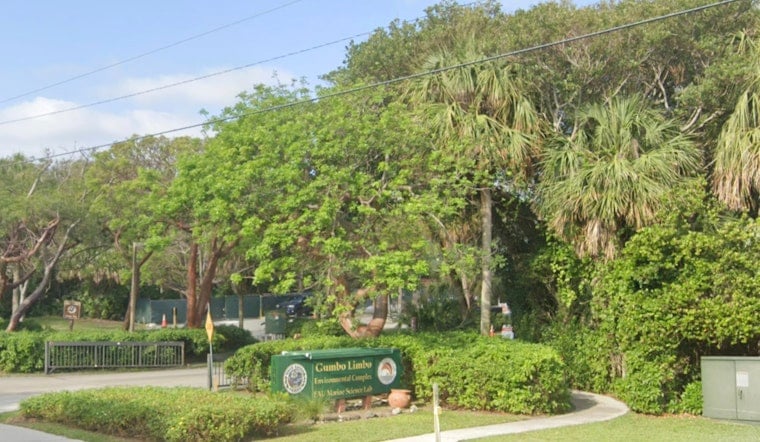
Boca Raton's beaches just made local wildlife history. Staff and marine biologists at Gumbo Limbo Nature Center documented the city's 1,077th loggerhead sea turtle nest of the season on July 25, breaking a record that had stood for 36 years along the city's five-mile stretch of coastline.
The previous mark of 1,075 nests dated back to 1990, according to The Palm Beach Post, meaning it took more than three and a half decades for Boca Raton's loggerhead numbers to climb back to this level. Gumbo Limbo Nature Center announced the milestone on social media, celebrating that the city had beaten its all-time record.
A Season Already Stacked With Milestones
The loggerhead record isn't the only turtle headline out of Boca Raton this year. Earlier in the 2026 season, the city also set an all-time record for leatherback sea turtle nests, logging 42 by June to eclipse its previous mark of 33, according to The Parklander Magazine. Leatherbacks are Florida's rarest nesting sea turtle species, making that earlier record notable on its own before the loggerhead count even caught up to history.
The dual records line up with a bigger regional story. Palm Beach County officially earned the designation Sea Turtle Capital of Florida this spring, recognized for producing a nation-leading estimate of roughly 2 million sea turtle hatchlings a year, per Boca Raton Magazine. In 2025, the county led every Florida county in loggerhead nesting with 25,614 recorded nests, along with 13,202 green turtle nests and 493 leatherback nests, the magazine reports.
Why Boca's Beaches Matter So Much
Florida's beaches host roughly 90% of all nests belonging to the Northwest Atlantic loggerhead population, which scientists consider the largest loggerhead nesting aggregation in the world, according to the Florida Fish and Wildlife Conservation Commission. That puts stretches of coastline like Boca Raton's at the center of the species' survival, not just a local curiosity. The loggerhead sea turtle is federally classified as a threatened species under the U.S. Endangered Species Act, which protects adult turtles, hatchlings, eggs, and nesting beach habitat from destruction or harassment.
State law backs that protection up with teeth. Under Florida Statute 379.2431, the Marine Turtle Protection Act, intentionally harming, disturbing, possessing, or destroying a sea turtle, hatchling, nest, or egg is a third-degree felony punishable by up to five years in prison, along with mandatory civil penalties per egg.
The Daily Work Behind the Record
Reaching 1,077 nests didn't happen by accident. During South Florida's official nesting season, which runs from March 1 through October 31, Gumbo Limbo Nature Center's Sea Turtle Conservation Team surveys Boca Raton's five-mile beach stretch daily at sunrise, logging new nests by GPS, staking them off, and excavating them three days after hatching to evaluate how successful each nest was.
The city also polices what happens after dark. To prevent fatal hatchling disorientation caused by artificial beachfront lighting, Boca Raton enforces Chapter 23, Division 7 of its municipal code, which requires beachfront properties to shield, turn off, or convert visible lights to low-wattage, long-wavelength amber fixtures during nesting season. That kind of light management has become a flashpoint elsewhere in South Florida this season — Hoodline reported that hotel lights disoriented hatchlings in Fort Lauderdale, and Volusia County deputies had to rescue 75 disoriented baby sea turtles near Atlantic Avenue.
Part of a Statewide Rebound
Boca Raton's numbers fit into a much larger pattern across Florida. Statewide, loggerhead sea turtles deposited 100,951 nests in 2025, the product of multi-decade conservation initiatives that have produced record or near-record nesting numbers across multiple coastal counties over the past two years, according to the Sea Turtle Preservation Society. Other Florida wildlife teams have logged their own wins this season, including the Brevard Zoo's release of 56 rehabilitated sea turtle hatchlings back into open water this week.
Because nesting season doesn't close until October 31, Boca Raton's final tally for 2026 is expected to climb even higher before the count is finished. Between the leatherback record set in June and now the broken loggerhead mark, the city's beaches have quietly become one of the most closely watched nesting grounds in a state that hosts the vast majority of the loggerhead population's nests worldwide.





