

























































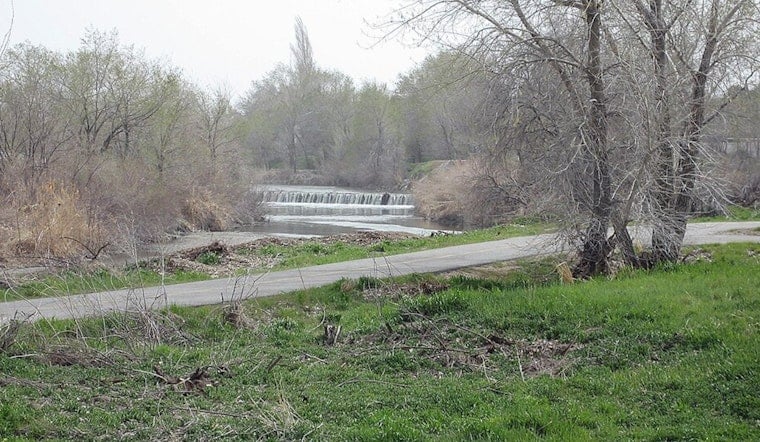
The Jordan River Parkway is gearing up for its biggest community celebration of the year, as the 13th annual Get to the River Festival kicks off across Utah with more than 60 free, family-friendly events planned throughout the month. The month-long lineup promotes recreation, culture, education and stewardship activities along the river corridor, aiming to reach people of all ages, abilities and interests.
Jordan River Commission executive director Søren Simonsen and Rachel Lyn appeared on Good Things Utah to share details about this year's festival, according to ABC4 Utah. This year's theme, Love Your Watershed, invites community members to take action to reduce pollution, with organizers framing individual efforts as part of a larger ripple effect of healthy change.
A River Stretching From Utah Lake to the Great Salt Lake
The festival unfolds along a river corridor with regional significance far beyond any single neighborhood. The Jordan River Parkway Trail follows a continuous 51.4-mile river corridor connecting Utah Lake in Utah County through Salt Lake County to the Great Salt Lake in Davis County, touching 16 municipalities along the Wasatch Front, according to Wikipedia. The river drains a 3,805-square-mile watershed before it empties into the Great Salt Lake, underscoring how far downstream the effects of local pollution can travel.
The festival itself traces back more than a decade. First launched in 2014 by the Jordan River Commission and the Jordan River Foundation, the month-long event has grown into a fixture of the region's September calendar, according to the City of North Salt Lake. The Jordan River Commission that organizes it was created in August 2010 through an interlocal agreement among three counties, seven cities, and local water districts, with Simonsen serving as executive director since 2017, per the West Valley City News.
Storm Drains, Puncturevine and a Sundance Documentary
Much of the festival's messaging centers on a simple but often overlooked fact: what happens on neighborhood streets ends up in the river. Litter, chemicals, leaves, pet waste, and debris from streets, sidewalks, and parking areas wash into storm drains and nearby lakes and streams, organizers note, and community members are urged to clean the storm drains outside their homes and businesses at least monthly. Those storm drains wash directly into the Jordan River, tying everyday neighborhood upkeep to the health of the wider watershed.
That connection carries real weight given the river's current condition. The Utah Division of Water Quality classifies the lower Jordan River as impaired under Section 303(d) of the federal Clean Water Act due to low dissolved oxygen levels and elevated concentrations of E. coli bacteria, largely because organic matter washed from street runoff depletes the oxygen aquatic life needs. State scientists have been working on the problem for years; in September 2025, the division executed the Jordan River Flushing Flow Study after 15 years of research to determine whether controlled late-summer water releases could improve dissolved oxygen levels for fish and other wildlife.
Festival programming also includes a screening of the documentary The Lake, which debuted at the Sundance Film Festival. Directed by Abby Ellis, the film premiered at the 2026 Sundance Film Festival and won the Special Jury Award for Impact for Change for its portrayal of scientists and local leaders working to prevent the Great Salt Lake's ecosystem collapse, according to The Utah Review. The documentary highlights research by microbiologist Bonnie Baxter and ecologist Ben Abbott into the shrinking lake's future.
Cleanup Drives Tie Into a National Day of Service
Festival organizers are asking participants to do their part on September 11 for the National Day of Service and Remembrance, which marks its 25th anniversary in 2026. Volunteer cleanup efforts scheduled around that date focus heavily on removing puncturevine, also known as goatheads, an invasive plant whose sharp burrs choke out native species and puncture bicycle tires along the trail, according to Midvale City. In one such partnership, Midvale City has teamed up with Zions Bancorporation to organize corporate and municipal volunteer cleanup projects along the Jordan River Parkway near the Zions Midvale Technology Center, with crews gathering to pull invasive plants and pick up litter near public transit trailheads.
A Corridor With Challenges Beyond Recreation
The Jordan River Parkway is also central to larger regional water projects that rely on the same channel the festival celebrates. In September 2024, the Great Salt Lake Watershed Enhancement Trust partnered with the Jordan Valley Water Conservancy District and other local partners to route 10,000 acre-feet of donated water from Utah Lake down the Jordan River into Great Salt Lake wetlands, a donation co-managed by the National Audubon Society and The Nature Conservancy.
The corridor also carries a social dimension that extends beyond recreation and restoration. During the January 2026 Point-in-Time homelessness census, Simonsen led daylight outreach teams along the Jordan River Trail to survey unsheltered residents who seek shelter along the parkway, according to KSL TV, a reminder that the river corridor often serves as a last resort for people with nowhere else to go.
Hoodline has followed the parkway's evolution in reopened trail sections and recent programming such as Riverton's costumed 5K held along the same trail network. Together, the festival's dozens of events aim to keep residents engaged with a river that, despite its ecological troubles, remains a defining thread connecting communities from Utah Lake to the Great Salt Lake.



