

























































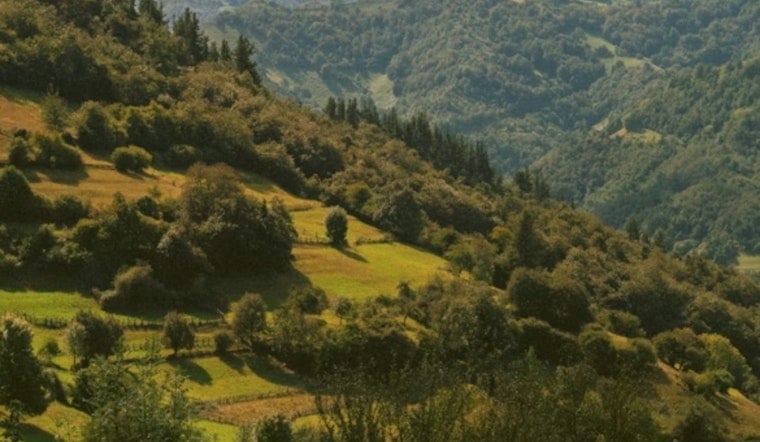
Miami-Dade County's flagship land-conservation program is running low on cash just as officials warn there isn't a clear plan to keep it going. The county's proposed FY 2026–27 budget would shrink the Environmentally Endangered Lands program to $6.5 million, down sharply from what conservation advocates say is needed to keep pace with 34,000 acres still on the county's approved acquisition list.
The cut has alarmed a coalition of environmental groups, who on August 13 formally asked Miami-Dade commissioners to restore EEL funding to at least $20 million for the coming fiscal year. According to the Miami Herald, the Tropical Audubon Society, Friends of the Everglades, Miami Waterkeeper, Friends of Biscayne Bay and seven other groups sent a letter to the county commission and Mayor Daniella Levine Cava making that request, and the coalition has also launched a letter-writing campaign to build public support. As reported by WLRN Public Media, the request follows proposed administrative cuts that would reduce EEL funding to $6.5 million.
A Program Built On Funding That's Nearly Gone
Voters first approved the Environmentally Endangered Lands program in 1990, when it received a dedicated share of property taxes for two years, per the Miami Herald's reporting. Voters later endorsed the program again in 2004 through a $2.4 billion bond package, with $52 million of that bond funneled specifically into buying wetlands, pine rocklands, hardwood hammocks and other wild lands. As of April, EEL had just $12.5 million left in that bond allocation, and the program's ongoing budget has shrunk by more than $30 million amid repeated cuts, the Herald reports.
Miami-Dade's Department of Environmental Resources Management has said it is struggling with a tight budget to keep the program afloat, warning that continued funding declines put the future of the Environmentally Endangered Lands program in peril, according to the same reporting. Since its creation, EEL has acquired roughly 24,201 acres in partnership with the South Florida Water Management District and the State of Florida, according to Miami-Dade County documents, and the program now owns or manages nearly 29,000 acres overall, per the Herald.
County Wants To Waive Its Own Reserve Requirement
To manage the shortfall, the county's proposed budget includes a formal waiver of Chapter 24-50.5(2)(B)(I) of the county code, which mandates keeping a principal balance of at least $10 million in the EEL Management Trust Fund. The Herald's reporting confirms Miami-Dade wants to waive that reserve requirement altogether, a move county officials have not disguised as anything but a response to the severity of the budget squeeze. County officials have acknowledged that donations cannot replace steady funding, even as private gifts continue to flow toward EEL-protected lands.
In July, an anonymous donor gave $950,000 to protect pine rocklands, and this month the Andy family donated five acres abutting the Quail Ridge Pineland Preserve, per the Herald's reporting. Those gestures matter, but they underscore the gap between what philanthropy can cover and what a functioning acquisition program requires. The proposed budget also maintains a $3.5 million annual payment from EEL's bond allocation to the Miami-Dade Parks, Recreation and Open Spaces Department, which serves as the primary contractor for preserve maintenance, further limiting the capital available for new land purchases.
Why Pine Rocklands Are Running Out Of Time
The stakes are especially acute for pine rocklands, fire-dependent forests found only on South Florida's limestone ridges. Less than 2 percent of the original pine rockland ecosystem remains intact outside Everglades National Park, after urban development paved over more than 98 percent of the historic 185,000-acre footprint, according to WLRN. Those rocklands are home to species found only in Miami-Dade, per the Herald's reporting.
Lauren Jonaitis said natural lands are part of infrastructure, according to the Herald, and she noted that EEL also restores and manages land after acquiring it rather than simply purchasing and walking away. She warned that delays in acquiring properties could make them more expensive or cause the county to lose the opportunity altogether. Environmental groups say the land-conservation program is not keeping pace with acquiring lands already approved for conservation across the county's seven commission districts, and they warn delays risk the irreversible loss of critically endangered ecosystems.
Wetlands, Farmland And A Contested Logistics Center
Southern Miami-Dade County contains most of the county's remaining farmland, and it's also home to the 54,000-acre South Dade Wetlands project area between Florida City and the Florida Keys, the largest remaining continuous tract of freshwater marl prairie outside Everglades National Park, according to a 2018 report. That wetland forms a buffer connecting mainland South Florida with Biscayne National Park. Flood control has cut off the freshwater supply that once flowed from coastal wetlands into Biscayne Bay, and flood-control canals have replaced that supply with polluted runoff, per the Herald's reporting.
The tension between development and conservation in South Dade isn't new. In 2022, Miami-Dade County approved a sprawling logistics center in the area, though a judge later derailed that project, according to the Herald's reporting. The county has also, in a separate move, stripped its environmental division of regulatory authority, the Herald reports, a shift that conservation advocates see as part of a broader erosion of protections even as natural lands are counted on to provide a buffer from heat and flooding worsened by climate change, improve resiliency, protect wildlife, drinking water and quality of life, and reduce flooding impacts.
What's Left On The Table
The county still has tools it hasn't fully leveraged. Florida's Constitutional Amendment 1, approved by 75.6 percent of statewide voters in November 2014, mandates dedicating 33 percent of state documentary stamp tax revenues toward land acquisition and management, offering a potential grant-matching source for EEL purchases, according to a 2016 county auditor report. The county also runs a voluntary EEL Covenant Program, established in 1979, which reduces property taxes for landowners who agree not to develop pine rocklands or hardwood hammocks for renewable 10-year terms.
The proposed budget separately allocates $70,000 in federal Miami-Dade Rescue Plan funds to pay the Florida Fish and Wildlife Conservation Commission and the Miami-Dade Sheriff's Office for enhanced patrols against poaching, unauthorized firearms, theft and wetland destruction on EEL-managed lands. In 2022, the county also authorized transferring up to $3.2 million from its Tree Trust Fund to plant native trees on EEL preserves. For now, county officials say they must identify a reliable funding source for the continued management and protection of EEL lands, even as conservation groups press commissioners and Mayor Levine Cava to reverse course before the acquisition list — and the rare habitats on it — shrinks further. Hoodline has previously reported on land conservation near Homestead's air base and on volunteer restoration of endangered lands tied to the same program.





