

























































Twenty Chicago aldermen asked Mayor Brandon Johnson, City Clerk Anna Valencia and their City Council colleagues to preserve or increase traffic-safety resources in a letter dated Sept. 10, according to the Chicago Tribune. The requests include maintaining or growing Chicago Department of Transportation funding, exempting CDOT from the city hiring freeze and adding budgeted traffic-engineering positions.
The letter’s funding and staffing requests
The aldermen say a shortage of traffic engineers is delaying traffic studies and road improvements. Signatories include Daniel La Spata, Leni Manaa-Hoppenworth, Desmon Yancy, Bennett Lawson, Timmy Knudsen, Lamont Robinson and others, the Tribune reported. The letter says traffic deaths remain too high despite progress in reducing fatal crashes and argues that earlier investment could have helped prevent Riley O’Neil’s death.
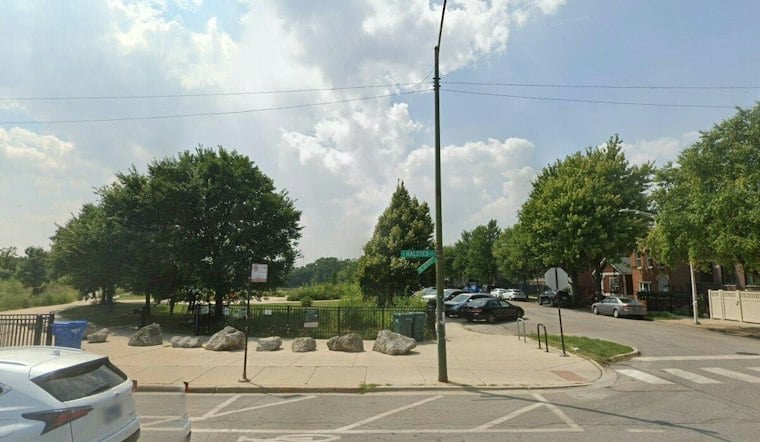
O’Neil, 35, was a CDOT Complete Streets planner and project manager who was killed June 5 while riding on South Halsted Street in Bridgeport. He had worked on bike parking and other infrastructure across Chicago, according to Block Club Chicago. Police cited the driver involved in the crash for unsafe opening of a vehicle door, parking in a prohibited area, driving on a suspended license and operating an uninsured vehicle, according to footage reviewed by NBC Chicago and described in the article’s original reporting.
Smart Streets is another priority
Budget and roadway context
The aldermen’s request comes as Chicago’s existing transportation investments remain substantial. According to the City of Chicago’s 2025-2029 Capital Improvement Program, the Traffic Signal Program totals $440.2 million. The city’s 2026 Budget Overview says traffic fatalities have declined 30% from their 2021 peak, compared with an 8% national decline. Those figures provide budget and outcome context, but do not by themselves show how CDOT staffing has changed; the letter’s staffing case rests on the aldermen’s claim that engineering capacity is delaying work, while CDOT says it continues to fill vacancies and complete hundreds of traffic studies each year. A separate Chicago Department of Transportation study of Southwest industrial corridors identifies truck parking and deliveries as sources of delay when they block automobile and bike lanes. That finding provides broader context for the aldermen’s interest in enforcing lane-blocking violations, including those involving commercial vehicles.
The aldermen also want Chicago to make its Smart Streets pilot permanent and expand it beyond its current enforcement area. The city says the program uses cameras mounted on municipal vehicles and CTA buses to ticket drivers who block bus and bike lanes, with warnings issued before fines in applicable situations. The pilot is scheduled to expire in December 2026, according to the City of Chicago.
Hoodline reported that Smart Streets had generated nearly $2.6 million in fines by July, including roughly $460,000 tied to commercial delivery and courier firms, in its coverage of the program. Advocates say vehicles blocking bike lanes can force cyclists into moving traffic. The program’s future and its financial effects remain under discussion.
The letter’s camera-enforcement request follows a February committee-backed proposal from Ald. La Spata that would allow residents to submit cellphone video of commercial vehicles blocking bike and bus lanes. The proposal would require a 311 dispatch system by the end of 2026 and has drawn opposition from retail and delivery groups concerned about rapid citation accumulation.
City officials review the proposals
Ald. Nicole Lee, whose 11th Ward includes the crash site, called the requests thoughtful and reasonable, while Ald. Matt Martin said Chicago needs infrastructure that protects all road users and that the proposed investments would not cost hundreds of millions of dollars, according to the Tribune. Mayoral spokesperson Griffin Krueger said the administration was reviewing the recommendations and was open to discussions about using city resources to reduce traffic fatalities.
CDOT spokesperson Erica Schroeder said the department continues to fill vacancies through the city’s standard hiring process despite the freeze. She also said CDOT completes hundreds of traffic studies each year and has been evaluating possible safety improvements along and near Halsted Street, according to the Tribune.
Through July, Chicago had recorded 38 deaths among people driving motor vehicles and roughly two dozen deaths among people walking, biking or riding motorized scooters, according to city data cited in the article’s original reporting. The aldermen’s letter seeks to turn those figures into additional funding, staffing and enforcement commitments.





