

























































Security cameras in about two dozen Chicago-area stores are now doing more than recording — they're using artificial intelligence to flag suspected shoplifting and send alerts to employees within seconds. Store staff monitor the situation and intervene if merchandise leaves the store. The technology has spread from suburban grocery aisles to South Loop convenience stores, and it's sparking a familiar debate: does catching thieves faster justify watching every customer that much more closely?
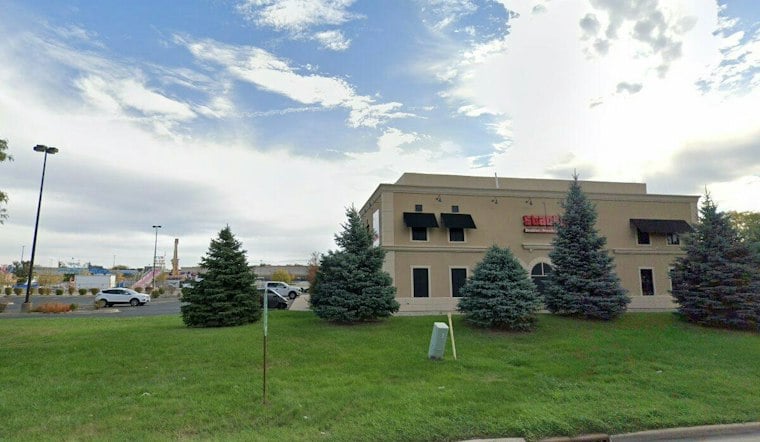
At International Fresh Market in Naperville, manager Daniel Valle said store staff catch about two suspected shoplifters a day after they leave the store, with the system helping identify them, according to ABC7 Chicago. During a demonstration for the station, the software — built by a company called Veesion, which layers AI analysis on top of existing security-camera footage — sent a push alert to employees within seconds of a simulated theft attempt. Before the system was installed, Valle said, human review of surveillance footage typically turned up only a few suspected shoplifters a week.
Veesion's software scans live camera feeds for gestures and movements associated with stealing — things like slipping an item into a bag or coat pocket — and immediately alerts employees when it flags suspicious behavior. Valle said signs alerting customers to the technology appear to discourage theft on their own, and he called the system's cost reasonable, saying it pays for itself through the money saved by preventing losses.
A South Loop Convenience Store's Yearlong Experiment
As of NBC Chicago’s November 13, 2024, report, the same software had been in use for about a year at a 7-Eleven franchise in Chicago's South Loop, where the general manager told NBC Chicago the store has seen a 50% drop in shoplifting cases since employees began confronting and banning suspected shoplifters flagged by the system. There, the owner receives a video alert within ten seconds of suspicious activity being detected. Running the software costs businesses a couple hundred dollars a month, the station reported, with pricing depending on how many cameras are being analyzed.
Shopper reaction has been mixed. Laurence Merritt, a shopper, said he supports the technology if it actually stops people from committing crimes, but he also questioned whether AI could end up being used to target Black people, telling ABC7 he does not want the technology to discriminate against people of color. Veesion has said its technology does not target people based on race or gender and does not collect facial-recognition data or biometrics, according to the same ABC7 report. Another shopper, Franki Flameno, raised a separate concern about how long surveillance footage is kept and whether the system ends up surveilling ordinary shoppers rather than just catching thieves.
Jobs, Shortages and the Shrinkage Math
Hiren Mowji told ABC7 that the AI watches continuously and alerts employees to suspicious activity, pushing back on worries that the technology could replace workers who once monitored cameras themselves. He argued most retailers are already short-staffed and that past waves of new technology have historically created more jobs rather than eliminated them. Shopper Barbara Stewart offered a different angle, suggesting the technology could help keep prices down by preventing losses that retailers would otherwise pass along to customers.
Veesion's own materials put a number on what's at stake for grocers: the company says shrinkage — inventory lost to theft, error or damage — can represent up to 3% of supermarket sales, according to Veesion. The company is also exploring new uses for the same camera-based AI, including flagging improper scans at self-checkout and detecting slip-and-fall incidents, Business Insider has reported.
Retail Theft's Bigger Picture in Illinois
The push toward AI surveillance comes as violent retail crime rises in Illinois. A report from the Illinois Organized Retail Crime Association found violent retail crime rose 7% over the prior year, with thefts involving threatened or injured workers on the rise, according to CBS News Chicago. The same report estimated Illinois retailers lose more than $2 billion to theft every year. Cook County prosecutors charged 1,073 retail theft cases in 2024, a number that jumped to 2,585 in 2025, per the outlet's reporting.
Veesion co-founder Benoit Koenig has said the mere presence of the system may be enough to stop some thefts before they start, telling CBS News Detroit that it probably deters the attempt before it actually happens. Other companies now offer similar AI-powered theft-detection tools to retailers, and Veesion's own reported footprint varies by account — the company has told outlets its software runs in 7,000 locations worldwide, in more than 4,000 sales points across over 25 countries, in 5,000 stores across Europe, Canada and the U.S., and through more than 5,000 businesses nationwide, depending on the source and when the figure was cited.
For now, Chicago-area retailers testing the software say the appeal is speed: a flagged gesture, a push alert, and a staff member walking over before an item ever leaves the shelf. Whether that trade-off sits right with shoppers watching the cameras watch them back remains an open question playing out store by store.





