

























































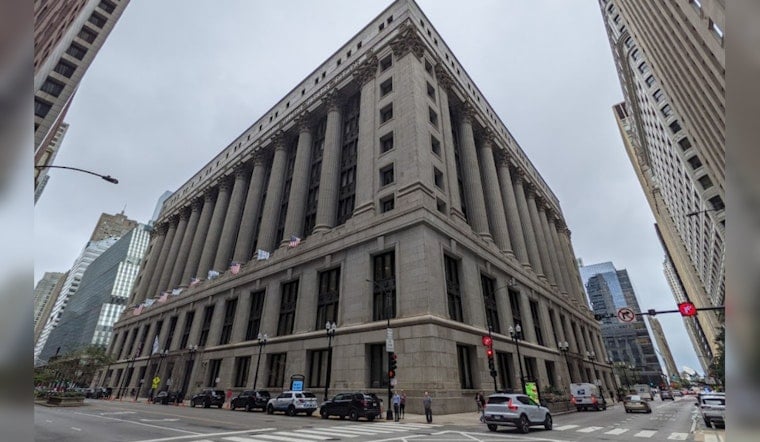
A Bronzeville storefront at 208 E. 51st Street became the launch pad Tuesday morning for Zoe Ma's bid to become Chicago's next mayor, as the real estate developer and community advocate made her campaign official at 10 a.m. Ma is running as an independent progressive focused on equity and opportunity, entering a mayoral field that is already crowded with established Democratic officeholders more than a year before Chicagoans head to the polls.
Ma's candidacy carries historic weight beyond the policy debate. According to ABC7 Chicago, she is a community advocate running to become the first Chinese American and first Muslim candidate for mayor of Chicago. As reported by WTTW News, Ma immigrated to the United States from China with just $40 in her pocket before building a career in real estate.
Before she became a developer and property manager, Ma earned master's degrees in sociology and business administration from the University of Illinois Chicago and worked as a mortgage loan officer, according to the station's report. She transitioned into self-employment and property management in 2001, per the same account, laying the groundwork for the real estate business that now anchors her professional profile.
A Platform Built Around Economic Equity
Ma's platform centers on anti-poverty policy, including a proposed guaranteed income program for low-income working families, property tax reductions, and renovation of vacant housing stock, WTTW News reports. Her campaign has emphasized the economic gap between Chicago's North Side and its South and West Sides, a divide her Bronzeville launch site was chosen to underscore. Bronzeville is a historic center of Black political and commercial activity in Chicago, and the choice of location reflects a South Side community that has long pushed for local economic development, according to a campaign video posted to Facebook.
Ma's entry adds another name to a field still waiting on incumbent Mayor Brandon Johnson, who has not announced whether he will run for mayor again, per ABC7 Chicago. Johnson won office in 2023 with 52% of the vote in a runoff election, and as of late August 2026 he had not formally declared his 2027 intentions, according to a Wikipedia summary of the race cited by researchers. Johnson has previously noted he did not announce his successful 2023 campaign until October 2022, a pattern that leaves the current field guessing about his timeline, per CBS News.
Johnson's Political Headwinds
Johnson's hesitation comes amid rocky approval numbers. An April 2026 Suffolk-Tribune poll found 44% of Chicago voters viewing him unfavorably compared to 34% favorably, as Hoodline previously reported. That political opening has helped draw a wave of candidates into the race, including Illinois Comptroller Susana Mendoza, U.S. Rep. Mike Quigley, and Cook County Commissioner George Cardenas, all of whom have launched campaigns or begun gathering signatures, CBS News reports. Illinois Secretary of State Alexi Giannoulias was also actively gathering signatures over the summer, according to the same reporting.
A Compressed Calendar for Candidates
Ma's campaign launch comes amid an accelerated statutory calendar. A 2024 Illinois law moved up the start of petition signature gathering for the 2027 mayoral race to July 28, 2026, a month earlier than in previous election cycles, WTTW News reports. State lawmakers changed the law to give election authorities more time to review petition challenges, according to the outlet.
To qualify for the February 23, 2027 municipal ballot, mayoral candidates must collect at least 12,500 valid signatures from registered Chicago voters between July 28 and the official filing period of October 19 through 26, 2026, per WTTW News. Candidates typically gather two to three times that minimum to survive formal ballot challenges, a hurdle that looms large for independent contenders like Ma as she builds out her campaign infrastructure in the weeks ahead.
If no candidate wins a majority of the vote in February, the race advances to an April 6, 2027 runoff, a second-round requirement triggered in every Chicago mayoral election since 2011, according to CBS News. That two-stage structure has historically given non-incumbent candidates room to build coalition support beyond the initial field, though it remains an open question whether progressive voters will consolidate behind Ma or split their support among the growing roster of contenders vying to lead Chicago past 2027.





