

























































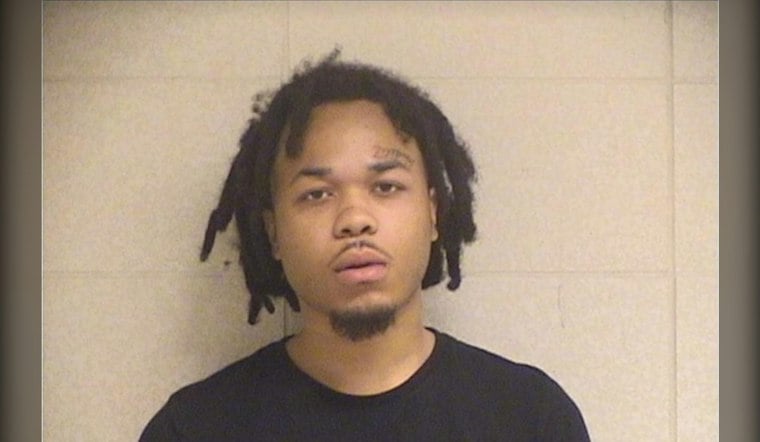
A Chicago jeweler has apologized for posting footage of Bloodhound Q50’s bloodied Cuban link chain and Rolex after the rapper was fatally shot, saying he did not adequately consider how the video would affect Cooper’s family and others mourning him. The jeweler, known online as Tony or VVs King, removed the video after it drew backlash, according to Hollywood Unlocked.
The footage was posted September 17 after Cooper’s mother, Machetta Dudley, asked Tony to clean the jewelry. In his apology, Tony accepted responsibility for sharing the images and said he did not intend to disrespect Cooper, his family or others affected by the shooting. The video showed visible damage to the chain, but no official explanation for how that damage occurred has been established.
The shooting remains the central unresolved question
Cooper, who was 22, was killed September 13 while sitting in a Tesla at a BP gas station in Chicago’s Fuller Park neighborhood. Reports described the attack as an ambush, but the available accounts differ on some details, including the number of shots fired. Hollywood Unlocked reported that Chicago police said six gunmen fired more than 50 rounds; an eyewitness cited by iHeart gave a higher, unverified estimate. Those accounts should not be treated as a final reconstruction of the attack.
Dudley’s public anger has also focused on people trolling her son after his death. That online reaction is part of the immediate aftermath, but the available reporting does not establish that social-media activity, music or any other cultural factor caused the shooting. The circumstances, motive and responsibility for the killing remain separate questions from the controversy over the jeweler’s post.
Chicago’s homicide trend offers broader, but limited, context
The killing comes as Chicago’s homicide numbers show a mixed recent pattern. The city recorded 210 homicides through the end of June 2026, nearly 6% more than during the first six months of 2025, according to Chicago Police Department data reported by WTTW News.
That increase followed four consecutive years of declining homicides through 2025, the Chicago Tribune reported. The figures describe citywide totals and do not measure violence specifically in Fuller Park. They also do not show whether the broader trend is connected to Cooper’s death, whose circumstances require case-specific investigation.
For now, the most immediate public issue is narrower: a family’s private grief became part of a widely circulated social-media post, prompting an apology and removal. The wider homicide data can frame Chicago’s recent violence levels, but they cannot explain why Cooper was targeted or resolve the competing details surrounding the attack.





