

























































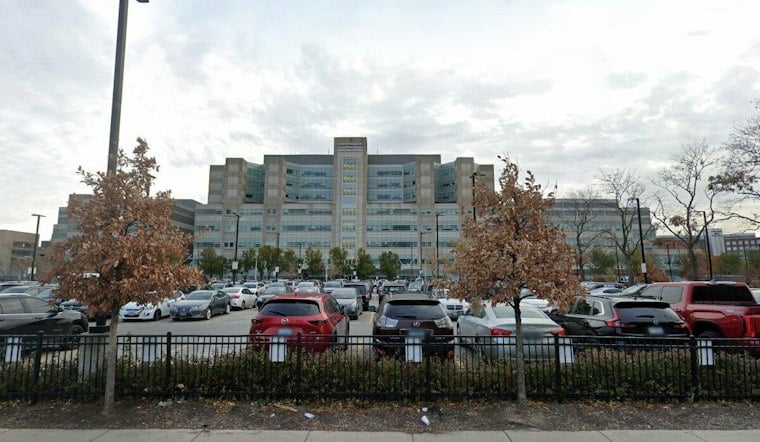
Thousands of lawfully present immigrants across Illinois are losing their Medicaid coverage this week, as a federal law strips health benefits from many refugees, asylum seekers and humanitarian parolees who do not hold green cards. The change takes effect after September 30, cutting off coverage for people who have lived and worked legally in the state for years.
The scale of the loss depends on who is counting. The Chicago Tribune reports that about 9,300 immigrants statewide are slated to lose coverage after September 30, while Capitol News Illinois puts the estimate closer to 10,000 people affected by the federal changes. CBS News Chicago has also reported that more than 9,000 noncitizens in Illinois will lose Medicaid coverage due to the new law, according to the Illinois Department of Healthcare and Family Services.
Who Loses Coverage and Who Stays Protected
Starting October 1, most lawfully present adult refugees, asylum seekers and human trafficking survivors who lack green cards will lose their Medicaid benefits, as reported by ABC7 Chicago. The same eligibility changes will also strip coverage from people seeking asylum and those who entered the country through humanitarian parole, including people fleeing the war in Ukraine, according to a report from WBEZ tied to a Syrian refugee family in suburban Chicago coping with the looming cutoff.
Not everyone is affected equally. Lawfully present children and pregnant people are exempt from the loss, as are certain immigrants from Cuba, Haiti, Palau, the Marshall Islands and Micronesia, per the same Tribune report. Refugees, asylees and trafficking survivors who hold green cards as lawful permanent residents will also be allowed to stay on Medicaid, the newspaper notes.
Ukrainian Refugees Make Up Large Share of Losses
Ukrainians who fled the war with Russia are expected to account for 40% of those losing coverage, according to the same ABC7 report. Some of that group faces a technical wrinkle: people who entered the United States through the United for Ukraine program may be ineligible for Medicaid because they are not technically classified as refugees or asylum seekers, the outlet reports.
The federal law behind these changes is H.R. 1, the One Big Beautiful Bill Act, signed on July 4, 2025, according to the U.S. Committee for Refugees and Immigrants. Illinois Legal Aid Online lists the specific categories still eligible under the state's October 2026 rules, including qualifying lawful permanent residents, Cuban and Haitian family reunification entrants, citizens of the Freely Associated States, children under 19 and pregnant people.
Cook County Bears the Brunt
More than 40% of the Illinois residents losing Medicaid after this month live in Cook County, the Tribune reports, concentrating the impact in and around Chicago. Legislation that would have let most affected noncitizens keep their coverage beyond October 1 stalled in the General Assembly because of budget pressures, according to Capitol News Illinois.
The Congressional Budget Office estimates the broader changes will cut $1 trillion from Medicaid nationally over the next 10 years, ABC7 reports. Separately, work requirements for many childless, able-bodied adults on Medicaid are scheduled to begin January 1, 2027, the Tribune notes — a change ABC7 reports could put hundreds of thousands of childless adults across Illinois at risk of losing coverage if they don't meet the new rules.
What Options Remain for Those Losing Coverage
People losing Medicaid may turn to federally qualified health centers, community clinics, Emergency Medicaid or Refugee Medical Assistance, though the Tribune's report notes these alternatives don't match the comprehensiveness of standard Medicaid. The Committee for Refugees and Immigrants confirms Emergency Medicaid remains available regardless of immigration status for people who meet other state requirements and need treatment for a qualifying emergency condition.
Refugee Medical Assistance can serve as a bridge for some people affected by the changes, but the same refugee-advocacy group cautions that it does not replace continued Medicaid eligibility and, per the Tribune, lasts only eight months. Illinois Legal Aid Online adds that noncitizens may still qualify for state-funded medical programs covering asylum applicants and victims of trafficking, torture or other serious crimes, and that those priced out of Medicaid because of immigration status may look to the Get Covered Illinois Marketplace — though financial assistance for noncitizens there becomes limited after January 1, 2027.
For now, people who lose coverage can still seek free or low-cost care through places like Cook County Health, federally qualified health centers and community clinics, ABC7 reports. Whether Illinois will step in with state funds to continue regular Medicaid coverage for the affected groups remains an open question, as the federal law withdraws federal funding for these populations without barring states from covering them independently, according to the Committee for Refugees and Immigrants.





