

























































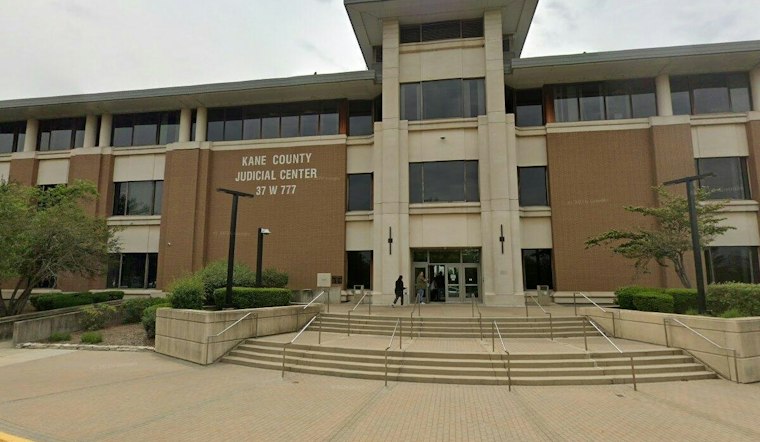
The Kane County Board voted 13-7 Tuesday to censure its chair, Corinne Pierog, after she disclosed confidential information tied to an employee complaint filed against fellow board member Clifford Surges. Pierog stepped aside from running the meeting, handed her gavel to a colleague, and declined to say anything about the vote against her.
The censure came at a special meeting held Tuesday, Sept. 29, according to shawlocal.com. The outlet reported that the Kane County State’s Attorney’s Office had investigated the underlying complaint and reached a corrective-action plan approved by both parties involved, though officials would not say what the complaint itself alleged, citing confidentiality. The complaint and its resolution remain confidential, the report notes, but the board member’s name — Surges — is not.
What County Policy Says About Need-to-Know Disclosure
Kane County policy restricts disclosure of complaint allegations to people who have a need to know and bars discussion of complaints with anyone outside the incident, investigation or complaint process, per the same report. The State’s Attorney’s Office said disclosure beyond that need-to-know circle can put investigations at risk, chill future claimants from coming forward and raise concerns about retaliation. Illinois’s State Officials and Employees Ethics Act requires policies covering confidentiality and prohibiting retaliation for certain employee reports, the article states, and Kane County’s own ethics ordinance specifies that an employee shall not be subjected to retaliation, harassment, abuse, threats or discrimination — language drawn from the county’s ethics ordinance available through Kane County.
Confidentiality protections in general are meant to encourage people with complaints to come forward without fear of retaliation or retribution, the report explains. The board itself is not always entitled to specifics of allegations, investigations or resolutions — a limitation that appears to have shaped how Tuesday’s meeting unfolded.
Dissent From the Floor Before the Vote
Board member Vern Tepe, a Democrat from Huntley, opposed bringing the censure resolution against Pierog in the first place and voiced concern that the board was rushing to judgment. Tepe attempted to move the proceedings into closed session, but the board’s majority voted down that motion, allowing the matter to proceed in open session.
Leslie Juby, a Democrat from Geneva, brought the censure resolution forward. Juby said she drafted it with the advice and consent of the State’s Attorney’s Office. The measure ultimately prevailed on the 13-7 vote.
Pierog Steps Back, Offers No Comment
Pierog, a Democrat, recused herself from chairing the meeting and turned the gavel over to Vice Chairman Bill Roth, a Republican from St. Charles, for the proceedings. She declined to comment on the outcome once the vote was taken.
Kane County GOP Chair Michelle Bettag applauded the board’s censure action, according to the report, and told Pierog that her days were numbered within her own party. Surges, the board member named in connection with the underlying complaint, is a Republican from Gilberts; Debra Allen, a Democrat from Elgin, also sits on the board that took up the resolution.
The dispute highlights a recurring friction point for local governments nationwide: balancing public accountability through actions like censure votes against confidentiality protections meant to shield employees who file complaints. A separate case in California, where the New Times San Luis Obispo reported the San Luis Obispo City Council was refining its own confidentiality policy for elected officials amid discussion of possible censure, points to how other jurisdictions are wrestling with similar questions.





