

























































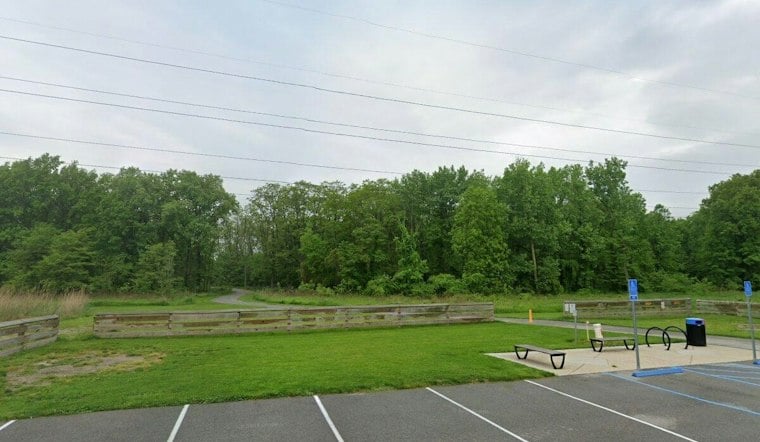
The Marquette Greenway, a planned 60-mile multi-use trail stretching from Calumet Park, Illinois, to New Buffalo, Michigan, is now about 65% complete, with 39 miles built as of October and another 9 miles fully funded. Ten more miles of trail are currently under construction and should be finished by next spring, according to Mitch Barloga, active transportation planner at the Northwestern Indiana Regional Planning Commission.
The remaining stretch, however, includes some of the project's most difficult engineering challenges. As reported by the Chicago Tribune, the greenway still needs 12 miles that are only partly funded, and the trail overall is roughly $30 million short of being fully funded. Barloga has led the initiative since NIRPC published the original Marquette Greenway Poster Plan in 2009, according to IN.gov.
Rivers, Rails and a Bridge Over Burns Ditch
In Porter County, the trail is under construction in Porter and Burns Harbor, and the route will connect to the NIRPC building in Portage, pass under the Norfolk Southern bridge over the Little Calumet River, and link to a trailhead at Howe Road, per the Tribune's report. The trail also needs the old South Shore Line bridge over the Indiana Toll Road refurbished before it can continue, the same account notes.
Perhaps the thorniest piece of the puzzle sits in Portage, where the Portage Redevelopment Commission is planning to build a new bridge across Burns Ditch, funded by a new $15 million bond issue. The commission owns 300 acres in the area, but the report notes the commission must first sell that land and secure approval of a development plan before the connecting Burns Parkway extension is likely to be built — leaving the greenway's route through Portage unresolved for now. Hoodline previously covered how the Portage plans hinge on this parcel moving forward.
West Gary and the National Park Gap
Further west, the RAISE grant — the $17.8 million federal award NIRPC received in November 2021 to help complete 17 trail segments connecting five counties with 15 municipalities, according to the Northwest Indiana Business Magazine — includes a west Gary phase running from Bridge Street to Cline Avenue. That three-mile segment is estimated to cost between $22 million and $23 million, per the Tribune's reporting.
Inside Indiana Dunes National Park, the National Park Service is responsible for a 3.6-mile route from Broadway to the Douglas Center, but still needs construction funding for that segment, the newspaper reports. National Park Service trails account for about five miles of the remaining route overall, while the City of Gary must still complete roughly three miles outside the park's boundaries. Barloga told the Tribune the national park segments are significant to the project's completion.
A Milestone Near Beverly Shores
One notable piece of progress: a completed route between Ind. 49 and Kemil Road is now being extended to Broadway in Beverly Shores, with planners aiming to reach that point by the end of 2026, according to the Tribune. The Indiana Department of Transportation is currently paving a barricaded bike lane across the Canadian National tracks as part of that push.
That work builds on a 5.6-mile paved segment from State Route 49 to Broadway that is nearly complete, according to dunes diva. Once finished, the greenway will provide a continuous connection for riders from Long Beach, Indiana, to New Buffalo, Michigan.
The Michigan End Is Nearly Done
The Michigan section of the greenway is described as almost complete, with only about half a mile remaining, per the Tribune's account. That includes a 2.9-mile route in Michigan City running from Karwick to El Portal, which is fully funded by the RAISE grant. The trail's first completed Michigan segment — a 3-mile paved path and trailhead in downtown New Buffalo — officially opened in April 2025, with funding that included contributions from the Michigan Department of Transportation, state park funds and local foundations, according to the Rural Innovation Exchange.
A Regional Investment Nearly Two Decades in the Making
Completing the 60-mile greenway involves complex railroad and environmental engineering requirements. NIRPC leadership has compared the trail's economic development potential to Atlanta's BeltLine and Cincinnati's Crown Trail, arguing that a multi-state corridor along Lake Michigan's southern coast could reshape regional tourism and business investment much as those projects did elsewhere.
Planners reported last year that roughly 200,000 residents live within 1.5 miles of the planned route across Illinois, Indiana and Michigan, linking population centers like South Chicago and Gary to Indiana Dunes National Park and coastal resort towns. Earlier funding milestones illustrate how the project has advanced piece by piece across the region.
Advocates and NIRPC planners have also floated converting an abandoned elevated rail corridor in Gary into a separate multi-use path, the Gary ELevated Trail, designed to connect Midtown Gary directly to the greenway network — a concept studied in early design work by Purdue University engineering students, according to the NWI Times. With roughly two-thirds of the route now built or funded, the project's final act — closing that $30 million gap across rivers, railroads and park land — will determine how soon riders can pedal uninterrupted from Chicago's lakefront to Michigan's shoreline.



