

























































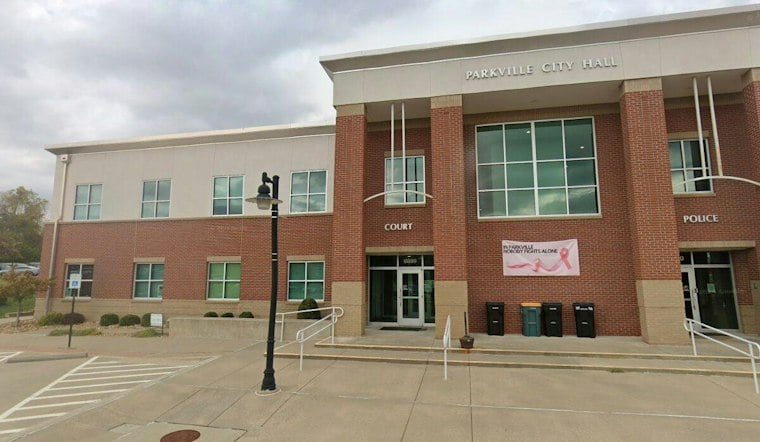
Parkville, Missouri has switched off every Flock Safety license plate camera it operates, halting a surveillance program that had grown to 15 units after residents raised concerns at recent public meetings. City officials announced the immediate suspension Friday, saying no new images or plate data will be collected while they review privacy safeguards, third-party access, and system controls.
According to a City of Parkville release, the decision followed resident feedback gathered at recent public meetings. The city acknowledged that concerns about information access, information sharing, and available controls were legitimate and deserving of careful review, according to the release. Officials stressed the pause reflects a proactive effort to evaluate safeguards, not a finding that the local system had been misused, as reported by FOX4KC.
One Parkville resident who spoke at a community information session hosted by the Parkville Police Department told the station they trusted police but were still uncomfortable with the camera technology itself, a sentiment FOX4KC reported was echoed by other community members expressing ongoing concerns about privacy and data use. Before the shutdown, Parkville police operated 15 Flock cameras and the Platte County Sheriff's Office ran five more, according to records compiled by the Electronic Frontier Foundation's Atlas of Surveillance as of September 2025 — a sign of how deeply the technology had already embedded itself in local policing before the pushback began.
A Regional Pattern Takes Shape
Parkville's move lands just weeks after Kansas City-area neighbors made nearly identical calls. In Gardner, Kansas, the city council voted to cancel its Flock contract and cover four cameras after residents raised alarms that more than 1,200 external vendors could potentially access local vehicle movement data, according to coverage of that vote. Gardner police physically covered the active cameras while the contract termination was finalized.
In eastern Missouri, St. Charles County went further, permanently ending its Flock program after an internal audit found a civilian employee had misused system data for personal, non-law-enforcement searches, the Associated Press reported. That case, detailed in earlier Hoodline reporting, triggered local calls for a countywide ban and exposed vulnerabilities in how police departments control access to tracking data.
A Missouri State Highway Patrol criminal investigation involved a former Joplin police officer who conducted nearly 400 unauthorized database checks over 14 months to track individuals, according to FourStatesHomepage.
Vandalism And Legislative Pressure Mount
Physical resistance to the cameras has surfaced too. In Kearney, Missouri, two Flock cameras were targeted within nine days in August — one near 19th Street and Nation Road was cut down, and a second near Jesse James Park was reported missing, according to 102.7FM KPGZ. The report described the pole as cut.
State lawmakers are also weighing in. Missouri's House introduced House Bill 3192, the Missouri Automatic License Plate Reader Regulation Act, which would restrict ALPR use strictly to active criminal or missing-person cases and require destruction of non-investigative data within 30 days, per the Missouri House of Representatives. Missouri currently has no single statute governing how long ALPR data can be kept or shared with outside parties.
The scrutiny extends to Washington. U.S. Senator Josh Hawley, chairman of the Senate Judiciary Subcommittee on Crime and Counterterrorism, launched a congressional investigation into Flock Safety's nationwide network. Hawley has raised concerns that AI-driven pooling of license plate data creates what he called an unconstitutional nationwide surveillance system without statutory authorization, according to a statement from the Office of U.S. Senator Josh Hawley.
Vendor Changes And Ongoing Litigation
Flock Safety itself has moved to tighten its systems amid the mounting scrutiny. On August 13, the company reduced its default recommended data retention period from 30 days to seven and rolled out mandatory search audit tools designed to flag irregular search patterns for police supervisors, according to Flock Safety, Police1, and other sources.
Legal challenges are also playing out beyond Missouri's borders. In Wichita, Kansas, a lawsuit filed in Sedgwick County District Court challenges the city's network of nearly 200 Flock cameras, according to reporting on the suit. The complaint contends that law enforcement can conduct warrantless mass surveillance.
For Parkville, the suspension marks a pause rather than a permanent end — city officials have said the review of privacy safeguards, data sharing, and system controls is what will determine the cameras' fate going forward. Until that review concludes, no new images or plate data will be collected anywhere in the city.



