

























































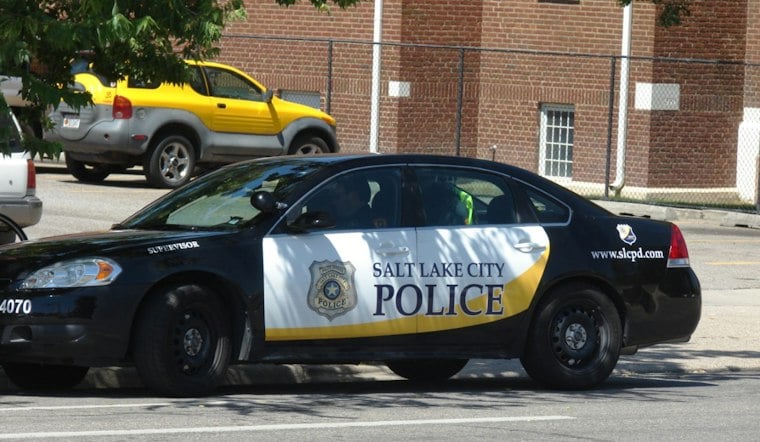
Salt Lake City police say cellphone footage and a partial license-plate number helped locate and detain Kurt Snyder, 74, after a group of minibike riders reported that a BMW struck one of them and that someone in the vehicle fired a shot Sunday. Snyder faces an aggravated-assault charge, according to FOX 13 News Utah.
Police said investigators reviewed videos supplied by the riders and determined that the footage captured the sound of a gunshot and part of the vehicle’s plate. The driver then left the area, according to the report. The available account does not establish the extent of the rider’s injuries, whether anyone was struck by the gunfire or whether prosecutors will file additional charges.
How Utah’s road-rage law fits
Utah’s H.B. 30 Road Rage Amendments took effect July 1, 2024 and created criminal enhancements for qualifying road-rage offenses, according to the Utah State Legislature. Whether those enhancements apply in Snyder’s case depends on the conduct alleged and the charges pursued; the current public account does not say that prosecutors have invoked them.
The same legislative materials describe limits on vehicle removal: towing or impoundment is permitted after an arrest for a Class B offense enhanced to Class A or a higher offense when no responsible owner is available to take the vehicle. That authority is separate from the question of whether Snyder can ultimately be convicted.
Utah traffic-safety data
A Utah Department of Public Safety and Utah Department of Transportation presentation included wrong-way-driving data, according to the state presentation.
Separately, KSL.com reported that more than one-third of Utah Highway Patrol road-rage cases tracked after the law took effect involved a firearm that was fired, pointed or shown. That broader measure cannot be treated as a count of confirmed shootings.
A different Utah case shows why comparisons matter
A separate January 2021 road-rage shooting in Lehi led to attempted-murder and firearm-discharge charges after two people were allegedly struck, including one who was critically injured, KUTV reported. That case involved multiple alleged victims and serious injuries, making it substantially more severe than what has been publicly described in the Salt Lake City allegation.
Another analysis of Utah Highway Patrol data reported by KUTV found that, from 2018 through 2026, 53% of tracked road-rage and aggressive-driving crashes occurred on Interstate 15, 46% occurred in Salt Lake County and 31% resulted in injury or death. Those figures describe UHP-tracked crashes rather than all statewide road-rage incidents, so they provide geographic and severity context—not proof that the current allegation reflects a broader increase.
The central facts in Snyder’s case remain the police allegations: a rider was reportedly struck, a shot was allegedly fired, and witness video and a partial plate helped investigators identify a suspect. The status of the charge, any injury findings and any decision to apply Utah’s road-rage enhancements will depend on subsequent court and prosecutorial records.





