

























































Sixty tiny shelter cabins that San Francisco spent roughly $7 million to buy have sat empty in a Bayview parking lot for nearly a year, shelter no one, and cost taxpayers more than $100,000 apiece — even as Mayor Daniel Lurie touts progress on homelessness. The cabins once housed people at a Mission District site before being placed in storage, and city officials still have no timeline, budget, or plan to bring them back into use.
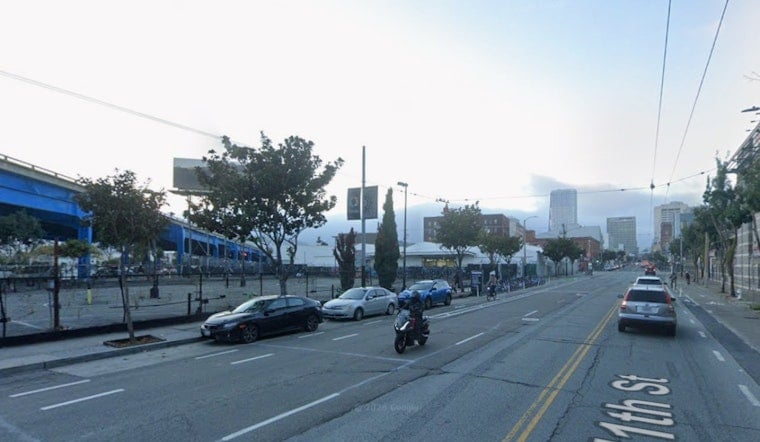
The story of how those beds ended up idle traces back to a collapsed relocation plan in SoMa, according to The San Francisco Standard. City officials and nonprofit Five Keys had planned to move the 60 cabins to a vacant triangular lot at 428 11th Street, pairing them with on-site addiction treatment services. The property, wedged between U.S. 101 and a Costco, carried an annual rent of $270,000, and the Housing Accelerator Fund had signed a letter of intent for a three-year lease.
That plan collapsed within two weeks of its public disclosure. Kunal Modi, the mayor's chief of health and human services, paused community outreach on the SoMa project on September 28, 2025, and the deal was formally abandoned two days later, on September 30, according to the Standard's reporting. Modi notified a project partner named Foster that day that the city was scrapping the 11th Street plan and moving the cabins to Bayview instead, describing the Bayview placement as storage.
A Lease That Fell Apart at the Last Minute
The collapse came down to money and timing. Soma property owners demanded a full three-year lease commitment, and the city and property owners ultimately failed to reach mutually agreeable terms, per Emily Cohen, who said the two sides could not reach mutually agreeable terms. The 11th Street site had permits and readiness for a November cabin move as of September 30, and a letter of intent for the lease was set to expire October 1 — leaving almost no room for negotiation.
Kate Hartley had emailed Modi weeks earlier, on August 15, warning that storing the cabins before deployment was not viable. Foster emailed Modi on September 30 saying a decision on the 11th Street plan was needed by end of day. The site also potentially needed a PG&E service upgrade, and officials had considered opening it at partial capacity on temporary power before the deal fell through entirely. The Department of Homelessness and Supportive Housing had helped secure an expedited permit review for the project, but that work amounted to nothing once the lease talks broke down.
The abandoned SoMa plan wasn't cheap. The city spent about $219,000 on the project before scrapping it, and the Housing Accelerator Fund — which had hired architects for the SoMa design — stood to forfeit roughly $300,000 spent on architecture and design work by walking away from the Bayview alternative. That fund manages part of Lurie's $49 million Breaking the Cycle initiative, which launched with $37.5 million in private philanthropic support, according to KTVU FOX 2.
Neighborhood Politics Also Played a Role
Community pushback compounded the logistical problems. SoMa residents and merchants objected to the proposed shelter location, and the SoMa West Community Benefit District met with Modi on September 24, 2025, just days before outreach was paused entirely. SoMa currently holds 28% of San Francisco's shelter beds despite accounting for only 11% of the city's unsheltered population, a saturation gap that helped drive a 2025 city law establishing criteria and density limits on new city-funded shelters in already-saturated neighborhoods, as detailed in earlier reporting on shelter siting fights.
Bayview-Hunters Point, where the cabins now sit in storage, presents the inverse imbalance: it holds just 11% of the city's shelter beds while accounting for 21% of its unsheltered population. Steve Good, CEO of Five Keys — the nonprofit tapped to run the planned SoMa shelter — said the 60 beds cannot be utilized and represent a lost opportunity. Five Keys operates a $136 million annual budget and manages more than 2,000 beds of supportive housing and shelter across California, making the vacancy notable given the organization's scale.
A Bayview Resident Who Knows the Cabins Firsthand
Johnte McDowell, 50, grew up in Hunters Point and became homeless following a divorce four years before publication. He knows what the tiny cabins can offer — privacy unavailable in dorm-style shelters — and said opening the extra cabins would fill them right up. Nearby, Jerrold Commons, a Bayview shelter site, already houses older adults in its operating cabin community, showing the model still functions elsewhere in the neighborhood even as the 60 additional units sit unused.
Douglas Geerdes, another local voice cited in the Standard's reporting, said the city should solve current problems before creating more neighborhood issues, and separately said 60 people remain unhoused because the city is not solving the problem. Neither the Department of Homelessness and Supportive Housing nor the mayor's office has explained why the cabins remain in storage, according to the same reporting.
From a Six-Month Pledge to a Reframed Strategy
The empty cabins sit in sharp contrast to Lurie's early promises. The mayor's administration walked back a promise to add 1,500 shelter beds within its first six months in office, reframing its policy in July 2025 to prioritize what it called the right beds — locked psychiatric units, sobriety-required shelter, and 24/7 police-friendly stabilization centers — rather than pursuing total bed volume, according to Mission Local. Lurie has said the city needs to get people off the street and into the right kind of bed, and that his administration is being thoughtful about the kinds of shelter beds it opens.
The numbers underscore the gap between ambition and delivery. As of April 2026, sixteen months into Lurie's tenure, the city had opened 863 new shelter beds but closed enough older shelters that the net gain was just 403 beds, with scheduled closures expected to shrink that net increase to 303 beds by 2028, per the same Mission Local analysis. Supervisor Shamann Walton has accused Lurie of a bait and switch, going further to call the mayor an oligarch, even as Lurie has pledged to reduce homelessness and clean up San Francisco streets.
The tiny cabins were purchased during former Mayor London Breed's administration and originally opened in 2024 at the Mission lot as a temporary bridge to more stable housing, intended as a placeholder until a planned affordable housing project could break ground on the site — which is why the Mission cabin site was scheduled to close when that project moved forward. Restore, a program that pairs shelter with medication-assisted treatment, was meant to expand at the SoMa site as part of the relocation plan that never materialized.
Bigger Picture on Homelessness Numbers
San Francisco has nearly 8,000 homeless people, according to the city's official count, though more than 20,000 unique individuals seek city homeless services over the course of a full year — a gap that highlights how a single-night tally can understate total demand. Preliminary findings from the city's 2026 count reported unsheltered homelessness at a 15-year low, with street tents down 85% compared to 2024, though service providers have noted changes in counting methodology that complicate direct comparisons, per CBS San Francisco. The city also launched a multiyear effort to overhaul homeless service contracts on August 31, 2026, as it continues to recalibrate its approach.
For now, the 60 cabins remain stacked in storage in Bayview, a physical monument to the negotiations, permits, and neighborhood politics that derailed their intended second act. Whether they return to service — in Bayview, SoMa, or elsewhere — remains an open question the city has yet to answer.




