

























































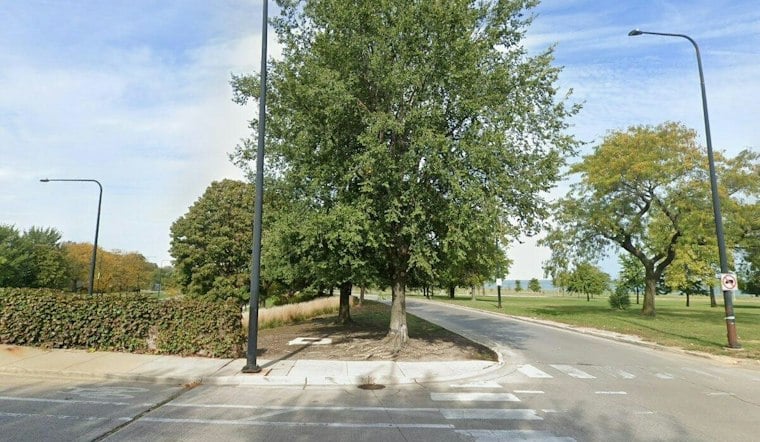
Thousands of walkers are expected to gather at Burnham Park Grove 7 on Chicago's South Side on Saturday, September 19, for the 2026 Walk to End Lupus Now, an event aimed at raising money for lupus research and rallying support for people affected by the autoimmune disease. Check-in begins at 9 a.m., an opening ceremony follows at 9:45 a.m., and the walk officially steps off at 10 a.m.
The event, held at 1199 E Oakwood Blvd near 39th Street along Lake Michigan, according to Black Health, brings together people living with lupus and their families for a day meant to increase awareness of the disease, according to WGN-TV. The station reports the walk invites thousands of participants across the country and directs those seeking more information to lupus.org/midwest. WGN-TV's Spotlight Chicago segment, which airs weekdays from 1 to 2 p.m., featured Karen and Madeline discussing the walk ahead of the event.
A Move From Lincoln Park to the South Side
This year's location is Burnham Park Grove 7 on Chicago's South Side, according to the Lupus Foundation of America. The organization's Midwest region covers Illinois, Indiana, Iowa, Michigan, and Minnesota and provides support programming.
The Chicago walk is one piece of a much larger national campaign. The Walk to End Lupus Now series spans nearly 60 U.S. cities and supports an estimated 1.5 million Americans living with the disease, with thousands of participants joining walks across the country each year.
Who Lupus Hits Hardest
Approximately 204,000 Americans have systemic lupus erythematosus, with female prevalence nine times higher than male prevalence, according to the Centers for Disease Control and Prevention. CDC registry data shows the burden falls unevenly along racial lines: systemic lupus prevalence among Black women stands at 230.9 per 100,000, nearly three times the rate among white women at 84.7 per 100,000, and notably higher than the 120.7 per 100,000 rate among Hispanic women. SLE prevalence is highest overall among American Indian and Alaska Native populations, per the same federal data.
The mortality gap tied to those disparities is severe. Federal mortality data analyzed by the CDC indicates that Black individuals diagnosed with lupus die on average more than 10 years younger than white patients with the condition. Systemic lupus accounts for roughly 70% of all lupus cases, and in about half of those diagnosed, it damages major organ systems including the kidneys, heart, lungs, or brain, according to the Lupus Foundation of America.
Discrimination Linked to Inflammation
Research has found that self-reported experiences of racial discrimination among Black women with lupus were associated with elevated blood levels of C-reactive protein, a primary marker of bodily inflammation. The data came from the two-year BeWELL study, associating social stressors with inflammation in minority patients.
Chicago also has a deep bench of academic research tied to the disease. Northwestern University Feinberg School of Medicine maintains the Chicago Lupus Database, established in 1991. The database is a registry of people willing to be contacted about future research.
A National Wave of Lupus Advocacy
Chicago's walk arrives amid a broader wave of lupus awareness efforts this year. Hoodline previously reported on a Cleveland activist's parade float built ahead of that city's own Walk to End Lupus Now. Other recent coverage has also examined lupus advocacy and research.





