

























































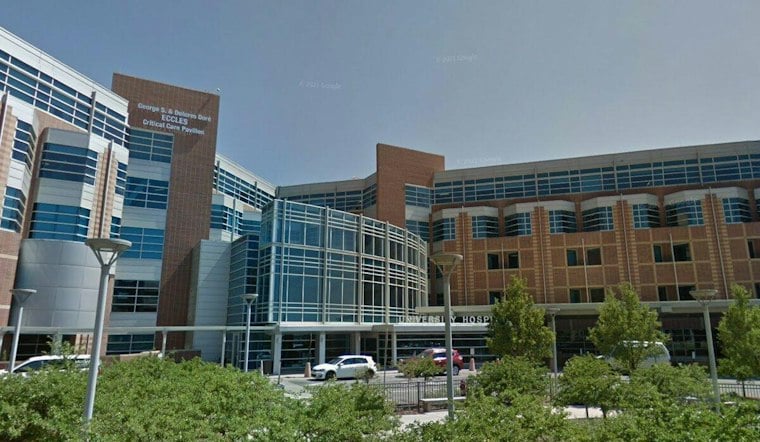
University of Utah Hospital has completed 25 years as Utah’s first American College of Surgeons-designated adult Level I trauma center. The hospital received the designation in 2001, according to KSL.com.
Growth in capacity and reach
The center’s trauma registry recorded 875 patients in 2001. It now treats between 2,500 and 2,800 trauma patients each year and has treated more than 50,000 during the 25-year period, KSL.com reported.
University of Utah Health says the program now includes nine fellowship-trained acute care surgeons, 10 advanced practice providers, and a 12-member trauma support team. The hospital describes its service area as the largest geographic trauma catchment in the contiguous United States, extending across Utah, Idaho, Wyoming, Nevada, and portions of Montana, Colorado, New Mexico, and Arizona. Those staffing and regional descriptions come from University of Utah Health.
The system’s role includes treating patients from areas with fewer resources for severe trauma, according to KSL.com. The hospital also identifies blood products, air medical transport, and specialized inpatient rehabilitation among the resources supporting its trauma program, according to its release.
How Utah’s trauma network is organized
According to Utah’s Bureau of Emergency Medical Services, regional systems of trauma and emergency medical care were established in 2014, with timely transport to the closest appropriate facility a priority. The bureau’s May 2025 trauma-center roster lists University Hospital and Medical Center and Primary Children’s Medical Center as Utah’s Level I trauma centers, according to the state roster. That state framework helps explain the center’s regional role: patients are directed to the closest appropriate facility, while cases requiring Level I resources may involve transport or transfer to one of the designated centers. The state materials provided for this article do not identify specific communities that depend on transfers to University Hospital and Medical Center.
A surgeon’s experience as a patient
KSL.com reported that Dr. Thomas Higgins, a University of Utah professor and chief of orthopedic trauma surgery, became one of the center’s patients after a backcountry-skiing accident. Higgins fell more than 100 feet at Cardiff Pass on Dec. 30, 2025, while skiing with his wife. He sustained a severe head injury and an open facial injury, was assisted by his wife and two other people, and was transported by air medical personnel to the University of Utah trauma center.
KSL.com reported that Higgins later had to learn to walk again and continued rehabilitation during the months after the fall. The report also said he met members of the Intermountain Healthcare Life Flight crew who had helped respond. Those personal details come from KSL.com’s interview-driven account; this article has not independently interviewed Higgins or the flight crew.
The accident followed another major professional milestone. Higgins was installed as president of the national Orthopaedic Trauma Association in November 2025, weeks before the fall, according to Becker’s Spine Review. His experience provides a patient-level example of the trauma center’s work, while the anniversary figures describe the institution’s broader development.




