

























































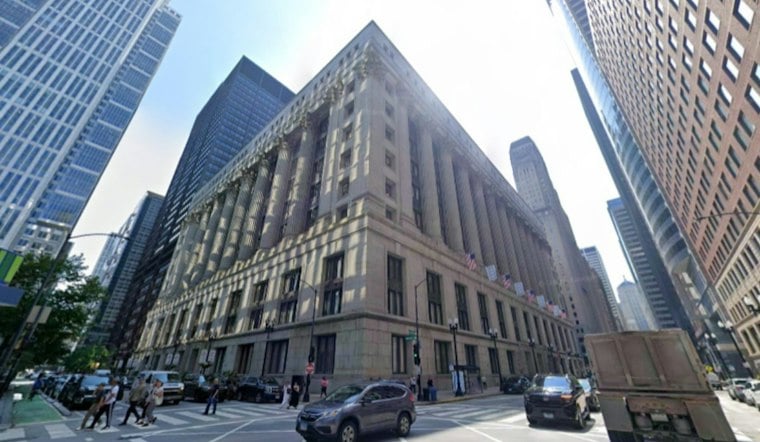
A Chicago convenience store operator who has run his shop for 30 years says a proposed City Council ordinance could put him out of business over problems happening on the sidewalk outside his door, problems he says he has no legal power to stop. Robert Boone is among several Chicago business owners pushing back against a measure aimed at businesses accused of creating public-safety or nuisance problems, warning that the rules as written could punish them for crime they neither caused nor could prevent.
Owners Say the Proposal Targets the Wrong People
The ordinance is considered by Chicago City Council as a way to address businesses tied to repeated public-safety or nuisance problems, according to FOX 32 Chicago. It was written by four aldermen — Walter Burnett of the 27th Ward, Felix Cardona Jr. of the 31st Ward, Scott Waguespack of the 32nd Ward and Brendan Reilly of the 42nd Ward — and could impose additional operating requirements, substantial fines and potential license consequences on businesses deemed troubled. Several owners are asking the aldermen to rewrite the measure and instead work with businesses to address crime rather than threaten their ability to operate.
Business owners say the proposal, as it stands, could punish them for criminal activity, loitering and other problems happening outside their control — including situations where they are the ones calling police for help. Boone, who cards customers for alcohol and tobacco purchases, said he cannot legally police what people do once they step outside his store. “To do things on our sidewalks that would jeopardize my license or my license renewal, I think is unfair,” he said, according to the station's report. He employs 12 people, some of whom have worked for him for 20 years, and said the ordinance as drafted could put him out of business entirely.
Violence and Threats Outside Store Doors
Other owners described specific incidents that they say show how little control they have over what happens near their businesses. Mike Elias said one of his employees was shot seven times after confronting someone who had repeatedly stolen from his store, and that an intoxicated man once threatened to kill his wife after she asked him not to sleep in front of their store. Elias said businesses are caught between addressing problems right outside their doors and making the call to police, and he encourages businesses to contact law enforcement before smaller problems grow — even though he said many now fear that frequent police calls could get them labeled a troubled business under the new rules.
Jigar Shah, who owns a 7-Eleven store, said his location has invested in security cameras, worked with police and even obtained a trespassing order against a repeat visitor. Shah reported that a homeless man allegedly blocked customers from entering his store and physically assaulted a customer, and said he personally suffered a broken jaw and nose while trying to stop a shoplifting incident. Despite all of that, Shah said business owners need more tools to keep employees and neighborhoods safe — not fewer.
A Push for Accountability Without Losing Licenses
Emily Young said she supports the broader goal of safer neighborhoods but cannot control behavior on a public sidewalk or street, and cannot prevent every instance of loitering, public drinking or criminal activity near her business. She said business owners should be encouraged to call police when problems arise rather than discouraged by fear of losing their license over it.
The Illinois Retail Merchants Association has also raised concerns about the measure, arguing that businesses should be held accountable for their own conduct but that responsible retailers should not face licensing consequences simply because they are victims of crime, request police assistance or operate in neighborhoods experiencing broader public-safety problems. Business owners and retail groups say they want additional changes made before the ordinance moves forward.
Chicago's municipal code already includes provisions for revoking licenses on public-nuisance grounds, rules promulgated under the city's existing public-nuisance disciplinary framework, according to the City of Chicago. The city's Business Compliance Enforcement division is separately charged with ensuring businesses comply with the municipal code through actions against unscrupulous and fraudulent practices, according to the city.
No Vote Yet, No Clear Timeline
The ordinance, filed with the council as O2026-0028775, would amend Title 4 of the municipal code by modifying existing sections and adding new ones governing nuisance abatement processes and license requirements for liquor licensees, according to Chicago Councilmatic records. It was not on the agenda during Wednesday's committee hearing on licensing and consumer protection, and no votes were taken on the matter. It remains unclear when the ordinance will next be heard in committee, and its final form may still change as the council continues debating it.



