

























































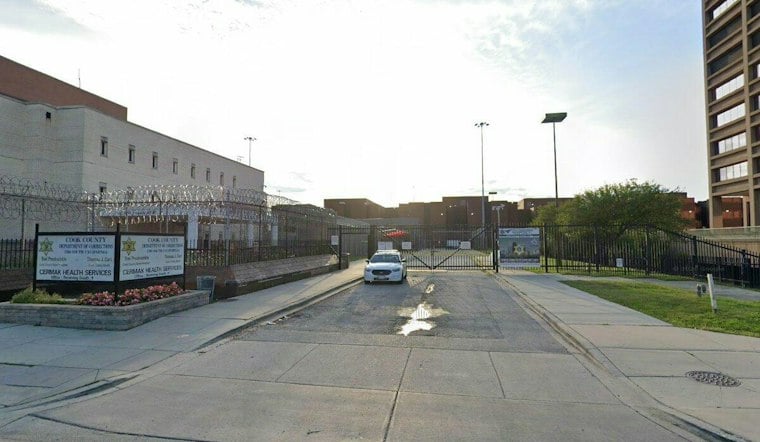
Cook County commissioners spent part of their budget hearings this week pressing Sheriff Tom Dart on why jail overtime keeps climbing, while also pushing back on State's Attorney Eileen O'Neill Burke's request for 70 new staff positions. The exchanges came as the county board works through next year's spending plan, with jail staffing and prosecutor hiring emerging as two of the thornier line items on the table.
Commissioners questioned both the sheriff's overtime costs and Burke's staffing request during the hearings, according to ABC7 Chicago. Overtime spending at the Cook County Jail remained a key concern for commissioners throughout the session, the station reported, with Commissioner Jessica Vásquez telling Dart directly that his department is “the highest of criminal justice partners” when it comes to overtime.
Sick Calls Driving Up the Overtime Bill
Dart told commissioners that rising overtime costs are driven largely by employee absences, not staffing shortfalls on paper. The jail runs with about 1,400 correction officers across three shifts on an average day, he said, and on a typical day roughly 450 of them call in sick — close to a third of the workforce, per the same account relayed by ABC7.
The sheriff also said sick calls tend to rise following major sporting events and holidays, and that his office has tried home checks, door visits and jail incentives to get a handle on the pattern. An earlier League of Women Voters of Cook County account of the 2026 Sheriff budget hearings, dated November 4, 2025, put the number of daily absentees at more than 200 and noted that unplanned assistance the Sheriff's Office provides to municipalities can also generate overtime, in its observer report.
Burke's $7 Million Pitch: Add Staff, Cut Outside Costs
Across the hall, State's Attorney Eileen Burke made her own case for growth. She told commissioners she is seeking 70 additional positions at a cost of $7 million, a request that drew scrutiny from Commissioner Scott Britton, who asked how the county would actually pay for it, the station's report noted.
Burke's proposal covers additional attorneys, digital forensic analysts, mental health and victim specialists, and paralegals. She framed the hiring as mostly a wash for the county budget, arguing the request would be cost-neutral because her office plans to shift civil cases to newly hired in-house attorneys instead of continuing to pay outside law firms. Per Fox 32 Chicago, the plan specifically calls for adding 10 attorneys to the office's Civil Actions Bureau, and the office has said the county spent more than $8 million on outside legal counsel over the prior two years because it lacked the staff to handle that work internally.
Burke also told commissioners her office has already filled nearly 300 prosecutor vacancies since she took office, and said the goal with the new round of hiring is to bring in lateral hires who already know what they're doing. On the overtime side specifically, she said she plans to cut weekend overtime costs by creating new shifts dedicated to covering weekend court appearances.
Bigger Numbers in the Background
The sheriff's push for more resources is unfolding against a budget that has already been growing substantially. The Chicago Reader reported that the sheriff's agency budget was set to grow by about $64 million in 2026 to roughly $815 million, with jail spending alone projected to rise $104 million compared with 2025, as part of a $1.5 billion countywide law-enforcement allocation that the outlet said was more than $300 million, or about 30 percent, higher than the prior year, per the Chicago Reader.
Board President Toni Preckwinkle's 2027 budget pitch totals $9.69 billion — roughly 4 percent less than this year's budget — and is designed to close a preliminary $550 million gap without tax increases or layoffs, according to the Chicago Tribune.
Smooth Sailing Now, Tougher Talks Ahead
ABC7 reported that Preckwinkle's budget is expected to pass with little difficulty this time around. Still, county officials suggested that future budget discussions could become more challenging, a signal that the overtime and staffing debates playing out this week may just be a preview of tighter fights to come.





