

























































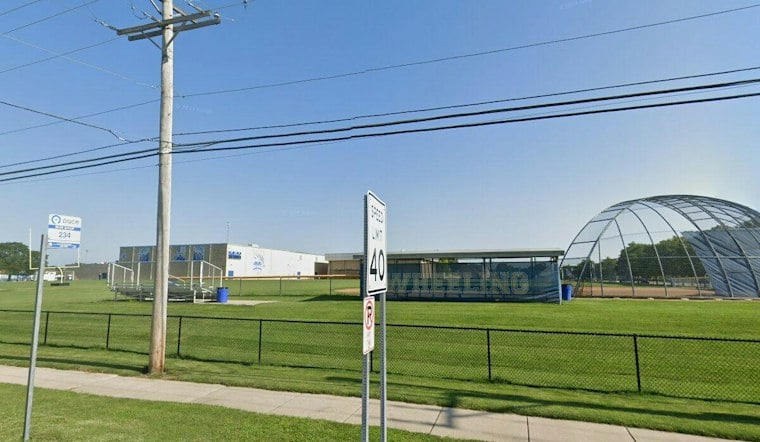
Northwest suburban high school district 214 is asking voters on Nov. 3 to approve $295 million in bonds to repair seven aging campuses, marking the district's first bond referendum since 1971. Superintendent Scott Rowe says that even if voters say no, the Arlington Heights-based district won't be cutting teachers, sports or activities to cover the gap — it will simply keep chipping away at repairs using the money it already has.
A Rare Ask, 55 Years in the Making
District 214's Board of Education voted in August to put the $295 million bond question on the ballot, according to d214.org. The seven campuses the district operates opened between 1957 and 1973, and the last time voters were asked to approve bonds for the district was 1971, when they established Buffalo Grove High School, per the same source. If approved, the district could issue up to $295 million in bonds over 25 years, with officials expecting to release the money in two or three separate issuances and break ground on projects as soon as winter 2027, stretching into 2028, as reported by the Daily Herald.
Rowe, interviewed in Schaumburg on Monday, told the Daily Herald that the district intends to finish the work within three to four years and has committed $100 million in spending over the next decade regardless of the vote's outcome. He added that figure could grow by another $25 million if Cook County property tax disbursements aren't delayed, the Daily Herald reported. If voters approve the measure, the district has promised not to return for additional bonding authority, according to the same report.
What Happens If the Referendum Fails
Rowe was direct about the stakes: teachers would not lose their jobs, and the district would not cut athletics or activities if the referendum fails, he said, per the Daily Herald's reporting. Instead, the district would lean on annual operating budgets, reserves and existing bond authority to keep capital projects moving, though emergency repairs would likely become more frequent without the larger infusion of bond money, the newspaper reported.
The dollar figures behind that warning are already adding up. District 214 has spent nearly $6 million on emergency repairs over the past three years, Rowe said, according to the Daily Herald. That included roughly $1 million to fix a buckled gymnasium floor and add air conditioning at Prospect High School after humidity damaged the court surface, the newspaper's report detailed. A separate emergency over Labor Day weekend sent crews to Wheeling High School to replace 300 feet of corroded sewer pipe in a main hallway, a repair that cost nearly $500,000, per the same account. The district also authorized up to $225,000 for a 5,400-square-foot roof patch at John Hersey High School, the article noted. Rowe said costs climb when emergency work has to happen during a crisis or over a holiday weekend.
From $850 Million Wish List to a Scaled-Back Ask
The scope now on the ballot is far smaller than what the district's facilities assessment originally flagged. Arcon Associates assessed roughly $850 million of facilities work across 1,400 district assets in 2022, according to the Daily Herald, while d214.org similarly notes those assessments totaled more than $800 million before the board scaled the proposal back twice, narrowing it by nearly two-thirds. District officials have said the current $295 million proposal is less than half the size of where planning began, according to district 214's referendum information page, after residents indicated earlier concepts were too large and costly.
The pared-down plan still touches every campus. The bond-funded work falls into four categories — safety and security, infrastructure, mechanical systems and prioritized instructional spaces — with every school seeing work in each category, per d214.org. Officials have said they're prioritizing replacing air conditioning systems and old boilers, as well as improving handicapped accessibility of stadium and gym bleachers, according to the Daily Herald. Community input appeared to back that focus: in survey results reported by Chronicle Illinois, safety and security had the highest net favorability among priorities at plus 44%, followed by infrastructure at plus 30% and building mechanicals at 21%. Swimming pools and main entrances polled negatively, at minus 12% and minus 19% respectively, the outlet reported.
Conflicting Counts on Public Input
How many residents actually weighed in depends on which account you read. Chronicle Illinois reported that 2,520 people had given feedback through public engagement sessions, committee meetings and surveys, while d214.org has described a community engagement process that drew more than 4,500 responses. The dossier of public materials reviewed does not explain whether the two figures reflect different phases of outreach or different counting methods.
The Tax Impact and the Timing Debate
For homeowners, the district has settled on a specific figure to illustrate the cost: about $170 per year in additional taxes for a home valued at $396,500, according to d214.org's referendum information page. That estimate has become a focal point as the superintendent and school board members face criticism over the timing of the ask amid broader concerns about property taxes, inflation and affordability, the Daily Herald reported. Critics have accused district leaders of allowing building maintenance needs to accumulate over the years, according to the same report.
Rowe has framed the bond differently — not as catching up on deferred maintenance, but as a shift in philosophy. He told the Daily Herald he wants to move the district's planning horizon from five years out to a 10-to-20-year view, and has said the referendum would let the district move from reactive emergency repairs toward strategic, proactive planning. Over the past decade, the district has funded nearly $200 million in facility work through its Capital Projects Program using existing resources, according to d214.org, money Rowe says hasn't been enough to keep pace with construction inflation he put at 5% annually.
What a Yes Vote Would Actually Authorize
Legally, approval of the ballot question would authorize district 214 to issue $295 million in bonds to alter, repair and equip school buildings and facilities, covering work involving fire safety, accessibility, roofs, windows, electrical systems, plumbing, HVAC and instructional spaces, according to d214.org. The district has said it will provide education and information about the referendum ahead of the vote but will not urge voters to take a particular position, the same source states.





