

























































With five days left before Illinois voters decide the governor's race, Gov. JB Pritzker and Republican challenger Darren Bailey spent Thursday making dueling pitches on the same issue: who can actually make life more affordable. Pritzker pointed to his record on wages, while Bailey hammered property taxes and the cost of living as he tries to close the gap from his lopsided 2022 loss.
Closing Arguments Center On Cost of Living
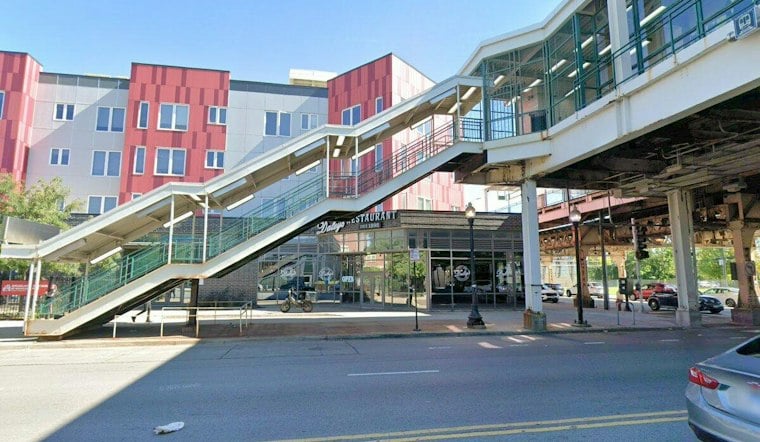
Both campaigns spent the day focused on affordability, according to ABC7 Chicago, as Pritzker and Bailey campaigned across Chicago and the suburbs ahead of Tuesday's election. Pritzker, who is seeking a rare third term, campaigned at Daley's Restaurant in Chicago, where he introduced himself simply as JB while greeting voters. He told reporters that lowering costs and increasing household income had been a focus of his administration, specifically pointing to the state's minimum wage increase from $8.25 to $15 an hour.
Bailey, a farmer and former state senator from southern Illinois, took his message to Patti's Sunrise Cafe in Burr Ridge, appearing alongside other Republican candidates. It's 100% affordability, Bailey said. You know, it's property tax season. He blamed Pritzker directly for residents' affordability struggles and argued that residents and businesses were leaving Illinois, saying the governor needed to address the exodus.
Trump's Shadow Looms Over the Race
The sharpest exchanges Thursday circled back to President Donald Trump. Pritzker's campaign has highlighted Bailey's endorsement by Trump, and Pritzker told voters they should know about that connection. The governor has regularly clashed with the Trump administration, as WBEZ has reported, and he has used that friction to frame the race.
Bailey pushed back, arguing that he's blaming Donald Trump for everything in every state because he has presidential ambitions. He also said Illinois voters were more focused on state issues than on Trump himself. That framing fits a pattern NPR Illinois noted from the campaign's only televised debate, where Pritzker blamed Trump for most affordability concerns while reminding voters that Bailey is a longtime Trump supporter. The outlet also reported that Bailey has leaned into localized issues like safety, affordability and education rather than national politics.
A Second Run, A Different Strategy
Bailey is making a second attempt to unseat Pritzker after losing by nearly 13 percentage points in 2022, a result so lopsided that the Associated Press called the race for Pritzker moments after polls closed that year. Bailey said Thursday he believes he and his supporters will win if his base turns out, and he's seeking a stronger showing than four years ago. Part of that effort has included a notable shift in tactics — CBS News Chicago reports Bailey moved into a Chicago apartment this cycle after previously calling the city a hellhole.
Turnout could prove decisive for Bailey's chances, since Illinois has more registered Democrats than Republicans statewide. Pritzker's own campaign faces a different challenge: keeping supporters motivated and making sure they don't assume victory is already locked in. Pritzker said Thursday that voter turnout in Illinois was up over 30% compared with last year, though that figure came from the governor himself rather than an independently verified count.
Downstate Clerks Brace for Election Day
Outside the two campaigns' events, county election officials were preparing for a turnout that falls short of a blowout but still draws a meaningful share of voters. Some Illinois Valley county clerks told Shaw Local they're hoping for turnout of 50% or higher, while La Salle County Clerk Jennifer Ebner said she's hoping for 40% or more. In the 2022 race, 55.9% of La Salle County voters turned out, down from 57.2% in 2018, the outlet noted.
The affordability fight isn't confined to the governor's race. Pritzker on Thursday also weighed in on Chicago Mayor Brandon Johnson's proposed per-employee corporate tax, telling reporters he does not think that is a great way to provide revenue for the city, according to the Chicago Tribune. Johnson's budget proposal calls for a $25 monthly tax on each employee at companies with at least 125 workers, a plan that adds another cost debate to an already tense pre-election climate in the state's largest city.
Housing Costs Add to the Backdrop
The affordability arguments land against a broader housing squeeze across Illinois. A study cited by Capitol News Illinois found the state faces a shortage of about 142,000 housing units and will need to build more than 227,000 units over the next five years to meet demand. That shortage has coincided with a 37% jump in home prices over five years, a 64% drop in home listings and a 13% decline in new construction permits, according to the same report.
Independent candidate Collin Corbett, a former Republican political consultant who collected 37,000 signatures to qualify for the ballot, rounds out the field alongside Pritzker and Bailey on the Nov. 3 ballot, per WBEZ. Whoever wins will help set the legislative agenda for the General Assembly, propose state budgets and appoint the leaders of state agencies — powers that make the affordability fight more than just campaign rhetoric heading into next week's vote.





