

























































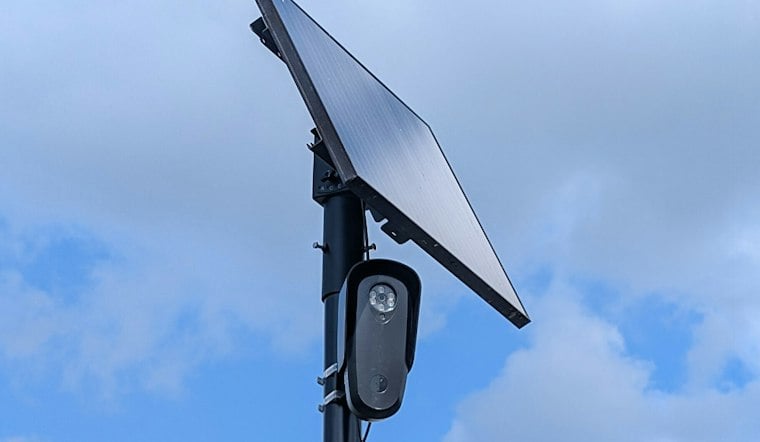
Unified Police has pulled its automated license plate readers out of Kearns after public outcry prompted people to damage the equipment. The move has already cost officers a tool they say they leaned on nearly every day to track down stolen vehicles and help with missing-person cases.
According to FOX 13 News Utah, the Unified Police Department removed the readers from Kearns after the backlash reached a point where people began damaging the equipment. Kearns precinct chief Levi Hughes pointed to that public outcry directly, saying it was what prompted people to go and damage the cameras in the first place. Hughes called the loss significant, noting the system is heavily relied upon by law enforcement across the country.
“This is a huge loss for us,” Hughes said, according to the station's report. Before the cameras came down, the department said officers were receiving alerts on vehicles being sought almost daily. Now, Hughes said, “we don't get them.”
What the Cameras Could and Couldn't Do
The department said the readers had helped officers find stolen cars and respond to missing-person cases before they were taken down, the station's report notes. The cameras photograph a vehicle's license plate and the car itself but, as Hughes emphasized, they don't have zoom-in technology that would let police identify who was actually driving. Hughes also acknowledged that privacy is a major concern for people, a worry that has echoed well beyond Kearns.
That tension is playing out statewide. Automatic license plate reader cameras generally capture images of vehicles, their license plates and direction of travel, according to KSL.com. The same report notes Utah law enforcement officials have credited the cameras with helping solve major cases, including a triple homicide in Wayne County, the killing of a Santaquin police sergeant in 2024, a threat against Salt Lake County government buildings that same year, and a 2022 human trafficking case involving two young girls in Beaver County.
Residents Torn Between Safety and Surveillance
Kearns resident Maria Hernandez, a mother of seven, told FOX 13 News Utah she worries about what could be lost without the cameras in place. She said every tool helps when it comes to protecting and finding people, calling the license plate reader system an important tool overall. Hernandez specifically pointed to situations involving kidnapping or an injured child as moments when the cameras become critical.
Her concerns reflect a broader statewide debate that has intensified in recent weeks. Utah's Law Enforcement and Criminal Justice Interim Committee met on September 16 to discuss what privacy protections might be needed around the technology, according to KUTV. That outlet reported the discussion wasn't about banning the cameras outright but rather about building in safeguards. At that same meeting, Cache County Sheriff Chad Jensen described how Salt Lake City police used license plate reader photographs to identify a vehicle involved in a fatal hit-and-run crash.
A Nationwide Pattern of Pushback
License plate readers capture the locations of thousands of Utah vehicles every day, and the cameras have faced growing backlash nationwide over privacy and data sharing, as reported by UPR. That same report found dozens of communities across the country canceled contracts or deactivated cameras this year alone. In Idaho, the Ada County Sheriff's Office removed seven Axon outpost cameras from Kuna on Sept. 8, just two months after they were installed, after concerns the devices were creating division among residents, according to the Idaho Statesman. That agency said it had no plans to reinstall the Kuna cameras but would keep readers running in Eagle, Star and unincorporated Ada County.
No Timeline for Kearns Cameras to Return
For now, Unified Police will keep the Kearns cameras down while waiting to see whether state lawmakers make changes to the rules governing the technology, per FOX 13 News Utah's reporting. The department said it will decide whether to reinstall the system only after lawmakers weigh in. It remains unclear exactly how many lawmakers' proposed changes might address the public's underlying concerns, since the exact number of license plate readers operating statewide hasn't been publicly confirmed, according to KUTV's separate report on a lawmaker pushing for more state guardrails.
Until then, Kearns is left without a surveillance tool that police say had become part of their daily routine, while residents like Hernandez weigh the safety benefits against privacy fears amid the damage to the cameras.





