

























































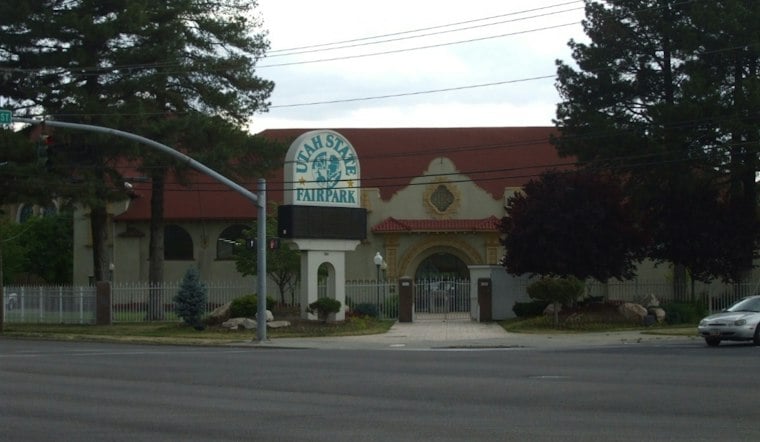
Vendor impersonation reports tied to Utah State Fairpark events have prompted officials to urge applicants to verify offers before paying. Sandy Arrieta, owner of Arempas, says she lost $1,500 in two payments to people posing as Fairpark staff after believing she had secured a place at the 2026 Utah State Fair. She realized the offer was fake when no one replied about where her food truck would set up.
Arrieta told FOX 13 News Utah that the scammers used a Gmail address designed to resemble the Fairpark's real name and included details specific to her business, including its actual food-truck menu. “It looked so legitimate,” she said.
Arempas opened in 2019, and the restaurant's family closed three brick-and-mortar locations last year before this incident. Arrieta said she had to borrow $1,500 to cover what she lost, a serious blow for a business already working to rebuild. She grew suspicious only after receiving no response about her promised tent location, at which point the Fairpark confirmed to her that the vendor offer had never been legitimate.
A Pattern Stretching Beyond One Vendor
Arempas was not an isolated case. Larry Mullenax, Utah State Fairpark executive director, said about two other vendors have reported being targeted by similar scams, and he suspects the actual scope of the problem is larger than what has been reported. Separately, Utah Public Radio reported that multiple local food vendors targeting Fairpark events have collectively lost thousands of dollars to impersonation fraud, pointing to a coordinated effort rather than a single bad actor.
Fairpark Deputy Executive Director Nicki Claeys said fraudulent vendor solicitations surfaced around both the September Utah State Fair and the upcoming RedWest Country Music Festival, set for October 16 and 17 at the Fairpark, according to KSL.com. The festival is listed by Visit Salt Lake as a major multi-day regional event. Scammers have also advertised a craft fair unrelated to the state fairpark, further complicating vendors' efforts to verify legitimate opportunities.
How To Spot the Red Flags
Officials outlined clear warning signs for vendors. Legitimate Fairpark staff emails only ever originate from the `@utahstatefair.com` domain, according to the same KSL.com account, and official vendor placement requires an executed written contract following a formal application process. Mullenax said the vetting includes health, fire and menu reviews; the Fairpark does not accept vendors without that process.
The Fairpark does not take payments over the phone, does not charge an application fee before a vendor is accepted, and does not request Venmo payments, according to the report. Vendors are advised to call the event organizer directly before sending any money and to be wary of Gmail addresses paired with requests for Venmo or Zelle transfers. The Fairpark posted a social-media warning about the vendor scams on September 24, according to Wisevoter, ahead of its fall event lineup.
The Fair's History and Reputation
The Utah State Fair's history is part of its public identity: SLUG Magazine notes that the fair dates to 1856, before Utah became a state.
This kind of impersonation fraud is not new nationally. The Better Business Bureau has previously warned that fraudsters frequently target craft fair and food truck vendors by posing as event organizers and demanding quick payment via peer-to-peer mobile apps for event spaces that don't actually exist. The Utah Department of Commerce has also cautioned that imposter scammers rely on psychological pressure and a “fear of missing out” to rush victims into sending irreversible electronic payments before they've read or signed any formal contract.
What to Keep and What the Data Show
The Federal Trade Commission reported roughly $852 million in losses across 753,555 business-impersonation incidents from January 1, 2017, through September 30, 2021, according to a Federal Register notice. Those figures cover business impersonation broadly; they are not Utah-specific and do not establish how common vendor-booking scams are or isolate losses involving payment apps. For people filing a complaint, the Utah Division of Consumer Protection asks for supporting evidence such as contracts, receipts, proof of payment and emails. Keeping those records can help document what happened if an event offer proves fraudulent.
For small food operators already squeezed by rising food and fuel costs, a loss like Arempas's $1,500 lands especially hard. Arempas secured a limited beer-only restaurant license from the Utah Department of Alcoholic Beverage Services for its Midvale location in August, according to Gastronomic SLC, part of the business's effort to rebuild after shuttering its three other locations. Arrieta said the effects of a scam can reach beyond the person who loses the money to their family.




