

























































A woman who beat her roommate to death inside a Sandy shelter for medically vulnerable homeless adults was sentenced Thursday to 15 years to life in prison. Laura Darlene Northrup pleaded guilty with a mental condition to first-degree felony murder in the May 2024 killing of Stephanie Lynn Haskett-Carrasco, who was found hidden beneath her own bed with significant blunt-force trauma to her head and neck.
The Salt Lake County District Attorney's Office announced the sentencing, according to KSL.com, which reported that Third District Judge Dianna Gibson issued the sentence and recommended Northrup receive credit for the more than two years she had already spent in custody. As part of her July 22 plea deal, a second-degree felony charge of obstruction of justice was dismissed. KSL identified Northrup as 62 years old in its report on the sentencing, while a 2024 police-report account cited by KMYU identified her as 60 at the time of the killing.
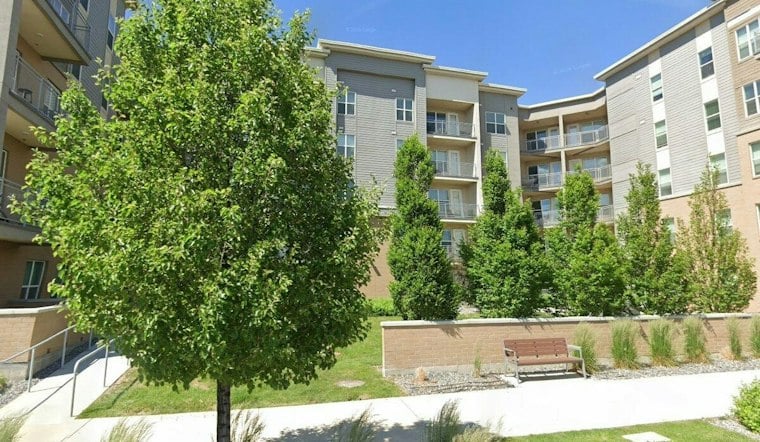
Fire and police personnel were dispatched to the Medically Vulnerable People shelter in Sandy on May 26, 2024, after a report of an unresponsive individual, according to ABC4 Utah. Haskett-Carrasco was found underneath her bed with the significant trauma described in the DA's office statement. Northrup, Haskett-Carrasco and a third person had been roommates at the shelter.
Surveillance Footage and Physical Evidence
Surveillance footage from the shelter showed Northrup entering the shared room just before midnight on May 25, 2024, the station reported, with Haskett-Carrasco entering shortly after 1 a.m. Northrup was seen leaving the room shortly before 2 a.m. carrying clothing and personal items, according to the same account.
Investigators recovered a metal can of Ensure nutrition powder with blood and hair on its bottom, and they found a red substance consistent with blood on the room's air conditioning unit and door frame. Shelter staff had previously reported that Northrup and Haskett-Carrasco would bicker a lot, and a third roommate told police the two women had a strained relationship.
Family Remembers a Devoted Grandmother
Haskett-Carrasco had five children, and her family played a slideshow of her photographs along with a recording of her grandchildren singing during the sentencing hearing, per a news release cited in reporting on the case. Her daughter said her mother's grandchildren meant everything to her and that she adored them, recalling that Haskett-Carrasco enjoyed taking the grandchildren to the arcade and then letting them pick out items at the store afterward.
Salt Lake County District Attorney Sim Gill said the family's presence at sentencing was powerful, and he hoped they received some measure of justice. Gill said the sentence would provide Northrup with mental health resources while holding her accountable for the life she took, and he thanked prosecutors, social workers, support staff and Sandy City Police Department detectives for their work on the case.
A Plea Built Around Mental Condition
Utah's guilty-with-a-mental-condition plea process, outlined by the Utah Legislature, allows courts to weigh whether a defendant had a mental condition at the time of the offense, whether the person could benefit from supervision or treatment, and whether the defendant was competent to enter the plea. That framework shaped how Northrup's case moved from initial charges to the sentence handed down this week.
The shelter where the killing took place serves older and medically vulnerable people experiencing homelessness, part of a broader trend of specialized shelters opening for aging unhoused adults. KFF Health News has reported that nonprofits and local governments have opened similar shelters in Florida, California and Arizona, as University of Pennsylvania researcher Dennis Culhane has described older adults as the fastest-growing homeless population nationwide.
No single outlet can be definitively credited with first reporting the Sandy shelter killing. Gephardt Daily detailed the district attorney's announcement of the sentence. With the plea and sentencing now finalized, Northrup's case closes out more than two years after Haskett-Carrasco's death inside the shelter meant to keep vulnerable residents safe.





