

























































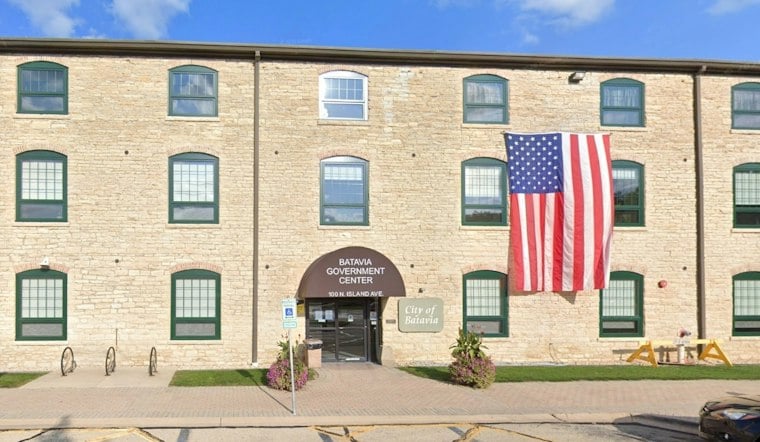
Batavia City Council approved a 20 mph speed limit on Nov. 16 for parts of several downtown streets.
The ordinance was approved at that meeting. The Chicago Tribune reported the vote and noted efforts to reduce speeds amid higher pedestrian and bicycle activity downtown.
Which Streets Are Covered
The limit applies to a number of downtown streets.
City officials described the ordinance as a consistent 20 mph on some remaining downtown segments, which puts Monday's list after an earlier cut rather than at the start of the idea. In September, a Fifth Ward recap said the council unanimously lowered the limit to 20 mph on First Street between Route 31 and Shumway and on unsigned portions of Water Street.
A Strong Towns Batavia newsletter published Sept. 20 said the council would consider 20 mph reductions on downtown side streets at that week's Committee of the Whole meeting. By Nov. 16, the council had approved the ordinance.
One Number for Drivers
Downtown pedestrian and bicycle activity is generally higher than on a typical local street.
The September limits, the ward blog said, followed a recent crash involving a child on a bicycle and ongoing sight-distance issues. That earlier package and Monday's ordinance are sequential pieces of downtown work, not the same vote.
Signs From the Existing Budget
The ordinance requires additional speed-limit signs. City staff said the installation cost fits inside the Public Works Department's existing sign-maintenance budget, so the change does not come with a separate spending request.
Batavia plans to notify the public through its normal communication channels. The decided hardware is ordinary sign work, paid from the account the city already uses to keep signs up.
A Separate Map of Crashes
Monday's streets are not the corridors that have dominated Batavia's recent crash coverage. In February 2025, two pedestrians were struck in separate crashes at or near North Kirk Road and East Wilson Street, the Tribune reported. That stretch of Kirk Road carried about 31,400 vehicles a day in 2023 data. The city's 2023 bike and pedestrian plan identified Wilson Street as the city road with the most crashes from 2016 to 2020.
On Route 31, the city reduced the road from two lanes in each direction to one lane each way plus a center turn lane, according to that February 2025 coverage. After another bicyclist was hit while crossing Batavia Avenue, Batavia planned to ask the Illinois Department of Transportation to speed up review of a proposed road diet and to install safety improvements while that review was still open, the Daily Herald reported in June 2023.
The proposal then on the table could have run 3.3 miles from Fabyan Parkway south to Mooseheart Road, with one lane each direction, a center turn lane, and bicycle lanes or more sidewalks as possible additions. A consultant's study found about 85 percent of crashes on the road were rear-end collisions or involved turns. Reducing the lanes, the consultant said, could cut crashes by 20 to 50 percent and could also lengthen backups at traffic lights.
Residential Limits Still Unsettled
The city has considered a 25 mph residential speed limit.
Residential speed requests are not new at the council table. In November 2014, a resident asked aldermen to drop Blaine Street from 30 mph to 25. They said they were still considering the change and wanted more research, the Tribune reported then.
The 20 mph idea is also circulating outside town. In September, Ald. Leni Manaa-Hoppenworth proposed cutting residential side-street limits in Chicago's 48th Ward from 25 mph to 20, leaving major roads out, Block Club Chicago reported. City crash data cited there counted 124 people injured or killed in traffic crashes in the ward from 2020 through 2024.
Batavia's council approved a downtown change: a 20 mph limit on parts of several streets.



