

























































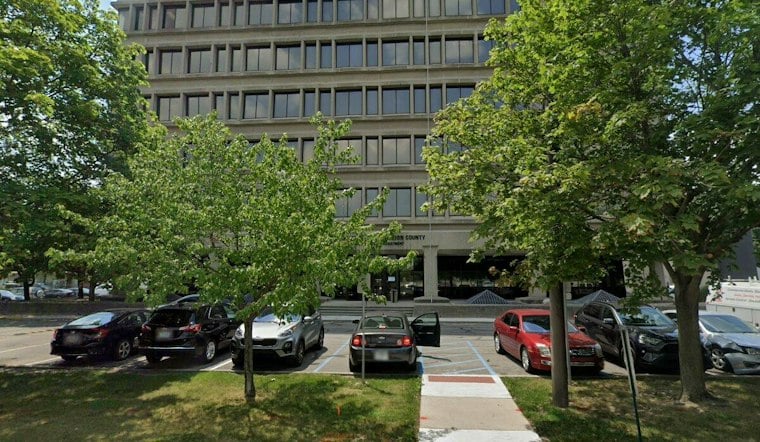
Marion County's top health official says the county's affordability crisis is taking a direct toll on residents' mental health, after a new countywide assessment found housing concerns weighing heavily on the people who filled it out. Dr. Virginia Caine, the county's health director and chief medical officer, said addressing residents' mental health is now the department's main priority following the release of its annual assessment.
The Marion County Public Health Department released its 2025 Community Health Assessment, drawing on responses from 4,518 county residents who completed the survey online or by phone, according to the Marion County Public Health Department. The department identified mental health and wellbeing, access to health care, housing, trauma and injury prevention, and infant mortality as the county's top five health concerns. The findings will feed into a Community Health Improvement Plan meant to guide the county's work on these issues for the next several years, the department said.
As reported by WISH-TV, a survey of hundreds of people found that housing concerns contribute to mental health issues among respondents. Caine told the station that housing affordability is an issue, and that people's salaries are not keeping pace with inflation.
The Numbers Behind the Squeeze
The scale of the shift is stark. WISH-TV reported that what it described as the estimated average home cost in Marion County rose from $117,500 to $238,700 between 2014 and 2023 — an increase of $121,200, or 103%. WFYI, reporting on the same figures, described them instead as the estimated median home value, citing an identical dollar increase and percentage change.
Rental costs climbed as well. WISH-TV reported the estimated average rent in the county rose from $788 to $1,187 over that same period, a 51% increase, while WFYI described the identical dollar figures as the estimated median cost of rent, also up 51%. Separately, WFYI reported that an estimated 48.4% of Marion County renters and 19.0% of homeowners spent at least 30% of their income on housing in 2023, citing the same report.
Mental Health Numbers Climbing Too
The toll shows up in the county's mental health data as well. Per WFYI, one in four Marion County residents reported having been diagnosed with depression, and 19% reported symptoms of anxiety. The outlet also reported that the county's suicide rate increased 10% from 2018 to 2024.
Housing concerns were not the only factor residents linked to mental health strain. WISH-TV reported that other concerns tied to mental health issues in the assessment included access to health care, violence, and infant mortality. The station also reported that 40% of 211 calls from Marion County residents concerned safe and affordable housing.
A Deeper Look at Community Context
A separate Marion County Community Context Assessment, conducted by researchers from Indiana University Indianapolis's Fairbanks School of Public Health and funded by the health department, gathered additional perspectives through nine key informant interviews and eight focus groups. That assessment found that housing was consistently cited as a major challenge, with housing-related barriers seen as having both direct and indirect impacts on community health, according to the Marion County Public Health Department community context assessment. The same assessment found that rising living costs and increased stigma have exacerbated mental health challenges, especially among youth, older adults, and transgender individuals.
WFYI separately reported that respondents to the health assessment survey described housing as expensive and unaffordable, particularly rental housing. Together, the two assessments point to housing costs as a thread running through much of what county residents told researchers was weighing on their wellbeing, as the health department works to translate those findings into its forthcoming improvement plan.
Anyone experiencing a mental health crisis can reach the National Suicide and Crisis Lifeline at 988 or 800-273-8255.




