

























































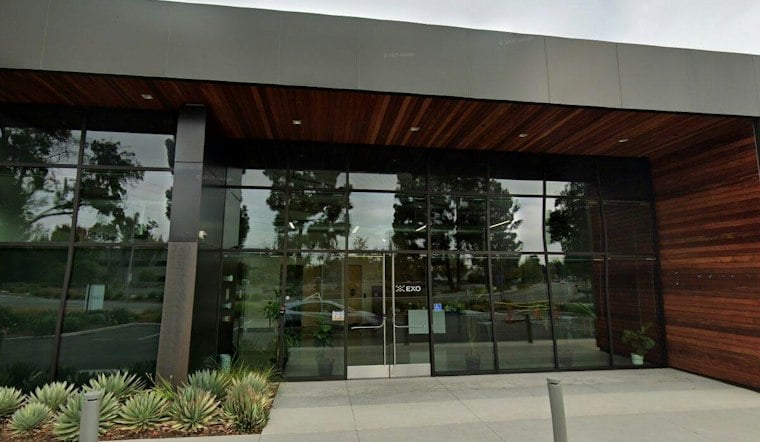
A Santa Clara startup building pocket-sized ultrasound machines just picked up a major vote of confidence from one of the world's largest philanthropies. Exo Imaging Inc. announced an $11.6 million grant from the Gates Foundation to help develop an affordable, AI-powered ultrasound platform aimed at health workers in low- and middle-income countries who have no specialized imaging training.
A Local Company With a Global Target
The grant, announced Thursday, will fund development of a handheld ultrasound system designed for frontline health workers without specialized expertise, according to a company announcement. The Gates Foundation's own grant listing describes the project as an effort to develop a low-cost, AI-enabled, multi-use point-of-care ultrasound platform for underserved populations with limited access to diagnostic imaging, per the Gates Foundation. That same foundation listing specifies the platform is meant to let non-expert health workers in those countries perform essential diagnostic and risk screening.
Exo, headquartered in Santa Clara, is building what it describes as a silicon and AI platform for handheld and OEM-integrated systems, according to Dealroom. The company says the platform combines silicon-based imaging hardware with AI that guides image acquisition and interpretation in real time. Notably, the AI runs directly on the device itself, without requiring an internet connection — a detail the company emphasizes given how unreliable connectivity can be in the regions it's targeting.
Tackling Cost, Complexity and Staffing Gaps
The company says its technology is designed to address a cluster of barriers that have long kept diagnostic imaging out of reach in poorer regions: equipment costs, imaging complexity, specialist shortages, and unreliable connectivity, per the same report. Exo's platform is intended to cover diagnostic imaging, procedure guidance, therapy, and monitoring, rather than a single narrow use case.
“We're working to make ultrasound more affordable and easier for frontline healthcare workers to use,” Exo Chief Executive Officer Sandeep Akkaraju said, according to the company's announcement. Akkaraju also said the platform is intended for communities with limited access to imaging and specialist expertise — a framing that lines up closely with how the Gates Foundation itself describes the project's goals.
Part of a Much Bigger Bet on AI
Exo's grant arrives against the backdrop of a much larger philanthropic push. In September, the Gates Foundation announced plans to spend at least $1 billion over the next two years to expand access to AI and AI-enabled solutions, with 40% of that commitment earmarked for health care — including diagnostics and clinical decision-making support for frontline health workers, according to the foundation's own announcement.
Exo isn't the only company riding that wave. The foundation also backed Qure.ai with a separate multimillion-dollar grant to accelerate AI-enabled point-of-care ultrasound tools, according to HLTH. That initiative includes plans for an open-source multimodal database aligned with World Health Organization lung-health diagnostic pathways, with particular emphasis on early detection of tuberculosis and pneumonia.
Why Portable Ultrasound Matters
Researchers have been studying whether shifting ultrasound scanning tasks to non-specialist workers could expand imaging access in places where trained radiologists and sonographers are scarce. A systematic review noted that this kind of task shifting for point-of-care ultrasound in resource-limited primary care settings has the potential to expand diagnostic imaging capacity and affect patient management, though the review's findings carry lower confidence than the direct reporting on Exo's grant. A separate review similarly found that point-of-care ultrasound can benefit patient screening, diagnostic accuracy, and management across a range of conditions in low- and middle-income countries.
For now, Exo's $11.6 million grant funds development rather than deployment — the company's announcement does not specify a launch date, target regions, or how many health workers or patients the platform is expected to eventually reach. Still, the award adds Exo to a growing list of companies the Gates Foundation is betting on to move diagnostic AI out of hospital settings and into the hands of workers who need it most.





