

























































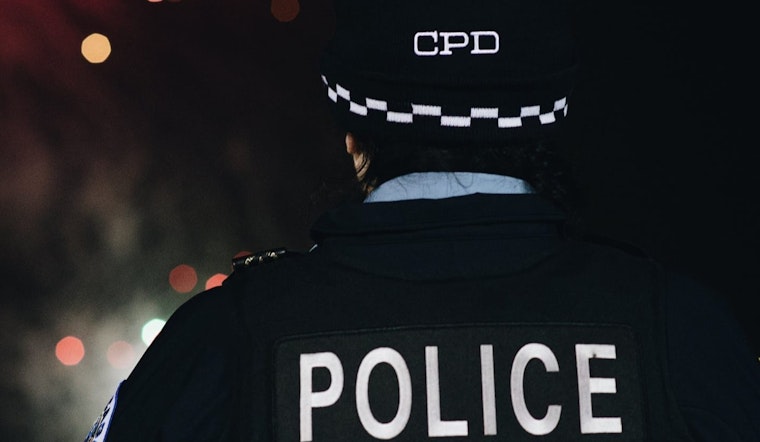
The Civilian Office of Police Accountability (COPA) in Chicago has reportedly closed a significant number of cases involving alleged police misconduct. According to a Chicago Tribune report, 143 investigations were wrapped up in the first two months of this year despite disciplinary actions being put on hold due to a Cook County judge's order that has kept the Chicago Police Board inactive.
Facing allegations varying from excessive force to sexual abuse, the concluded investigations concerned events primarily taking place between 2019 and 2022, involving 302 cops, most of whom are rank-and-file officers. As detailed by the Tribune, while the investigations have closed, the officers in question remain employed, with some even continuing to operate on the streets or perform desk duties.
In a major push to address a backlog of cases, COPA Chief Administrator Andrea Kersten was noted bragging to the City Council’s Budget and Government Operations Committee that there are now fewer than 1,000 open cases, a 40% reduction from the previous year. As part of what's been dubbed the Timeliness Initiative, COPA has closed 477 cases without recommending discipline, as WTTW News reported.
Cases involving shootings and serious misconduct, such as sexual misconduct or domestic violence, aren't being considered for closure under the initiative. This tactic aims to address complaints more efficiently and focus on making sure any discipline is squarely in line with what’s historically consistent, following a pattern where lengthy investigations seldom result in sustained punishments after arbitration. Kersten expressed that probes taking longer than 18 months "almost never result in discipline for officers that is upheld after arbitration," according to her comments made to the city council obtained by WTTW News.
Meanwhile, controversy continues over how police discipline is handled, with Chicago Police Superintendent Larry Snelling criticizing COPA's recommendations as too harsh for what he referred to as “extremely minor infractions." According to the Chicago Tribune, Snelling said that some penalties recommended by COPA seem “egregious.” The procedural complications, stemming largely from stalled contract negotiations and litigation, have put a strain on the city's ability to efficiently adjudicate accusations of police misconduct.





-4.webp?w=160&h=400&fit=crop&crop=edges)