

























































CHICAGO — In a city grappling with logistical hurdles and policy vacillations, the anticipated evictions of migrants from city shelters hit a snag Sunday, sources say. After Mayor Brandon Johnson set a deadline to enforce a 60-day limit on shelter stays, confusion reigned as only three out of a slated 34 individuals were actually removed from their temporary homes, as per a Chicago Tribune report.
Migrants, some still puzzled by their future, congregated outside shelters while volunteers prepped assistance that was barely needed. "This is just the way life is for us," said Moises Lopez, 21, expressing a sentiment shared by many facing the uncertainty of eviction, in a statement obtained by the Chicago Tribune. The city's claims of a fluid situation contributing to the fewer evictions, highlighted by the explanation that the small number of evictions was not a "slight of hand" but a reaction to events, indicates a complex scenario.
As the Tribune documented, city coffers are reportedly running low, compelling the closing of shelters to cut costs. Yet this has created tension with advocacy groups concerned about the lack of alternatives for migrants, many of whom arrived on buses from Texas—a strategy implemented by Texas Gov. Greg Abbott. These migrants, without work permits, face significant barriers to self-sufficiency and integration.
While some families and those with medical issues have been granted exemptions, including pregnant women and those with upcoming housing or quarantine needs, approximately 2,000 individuals, primarily men, still face eviction by the end of April, says the city. Ald. Andre Vasquez, chair of the city's Immigration Committee, questioned the process's transparency, concerned about consequences like homelessness and crime, "What would you do? If you didn’t have a place to live or any means to survive?" according to Block Club Chicago.
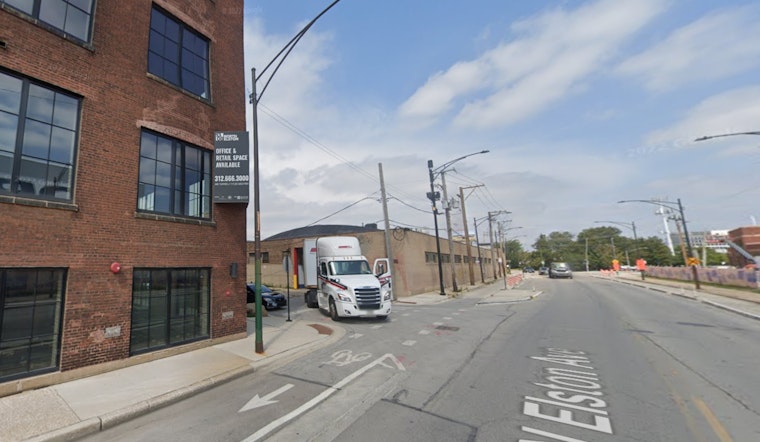
Meanwhile, on the ground, the disconnect between the city's intentions and the migrants' lived experiences is glaring. With eviction dates scattered and misinformation rampant, the communities at shelters like Elston, Wadsworth, and Gage Park face daily uncertainty, as evident from the interviews by Block Club Chicago. For those like one migrant, who simply wished from the state "a work permit," the struggle continues beyond the four walls of city shelters.
The city's assurance that evicted migrants can reenter the housing system via the West Loop's 'landing zone' seems of little comfort to those who are unaware of its location or how to access it. As the fate of many remains in limbo, the stories that emerge from Chicago's shelters are not just about policy and numbers, but about the human desire for stability and dignity in a new land.


