

























































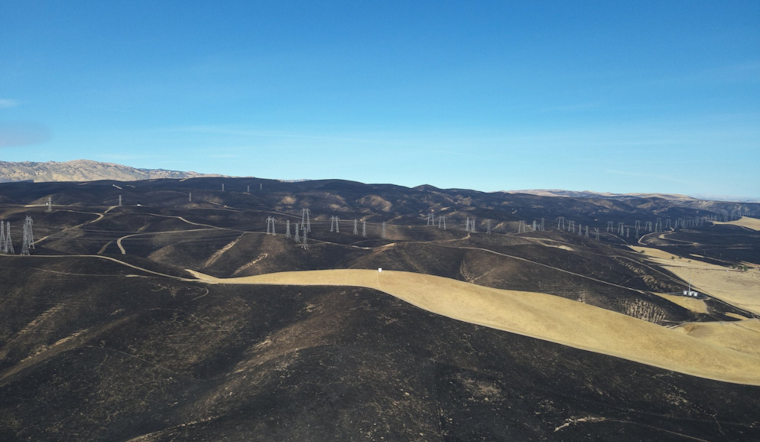
The blaze that ignited over the weekend in California's San Joaquin County, known as the Corral Fire, has been largely hemmed in, as firefighters managed to contain 75% of the tempest that has torched more than 14,000 acres of land. The fire, which danced dangerously close to the grounds of the Lawrence Livermore National Laboratory, a nexus of nuclear science and technology, has led to the destruction of one home and left two firefighters battling for control injured, as reported by FOX40.
The sudden conflagration sent thousands scrambling as evacuation orders were issued this past Saturday, including to residents of Tracy. Cal Fire/San Diego County Fire reports those orders have since been downgraded to warnings, with the critical I580 now open, which can be verified by visiting CAL FIRE's update. With the efforts of firefighters and a spell of cooperative weather, locals were allowed to return to their dwellings as a blanket of containment started to suffocate the furious flames.
#CorralFire [update] near Lawrence Livermore National Labratory Site 300 southwest of Tracy (San Joaquin County) is 14,168 acres & is 75% contained. Evacuations downgraded to warnings & I580 is open. https://t.co/UbmUFnYKlx https://t.co/cEb3hibo4p.@AlamedaCoFire @SJC_OES pic.twitter.com/SrZUsC4ose
— CAL FIRE SCU (@calfireSCU) June 3, 2024
Lawrence Livermore spokesperson Paul Rhien stated that despite the laboratory's proximity to the ravenous fire, no threat was posed to any of its operations or facilities. This reassuring news comes as a crescendo to the tireless battle waged by state firefighters against what is, to date, the state's largest wildfire this year.
However, the subdued fire comes on the heels of an oncoming heatwave, expected to bake the Central Valley with "dangerously hot conditions" as early as Tuesday, a stern warning issued by the National Weather Service. The prospects of fire containment are heated by the prediction of these conditions. Jacob Bendix, professor emeritus at Syracuse University, illuminated the paradox wherein wet years encourage vegetative growth, providing ample fodder for subsequent fire seasons. This past weekend, such circumstances led to dry fuels inching toward residential areas in Osteen, Florida, prompting intervention from multiple fire departments. A recount by Volusia County fire department’s battalion chief, Scott Smoak, detailed how those fires, now 95% contained, were fueled by an unusually wet winter followed by drier conditions, urging a note of caution from locals to prevent further ignition sources.





