

























































Indiana's rural communities are set for significant change with $90 million from the USDA to improve clean water infrastructure, reliable electricity, and support economic growth. As WRTV reports, the funding is set to initiate several key projects, including wastewater system improvements in Frankton and a substantial upgrade to Huntingburg's wastewater treatment plant.
Funds are allocated in various forms, such as a $600,000 grant for Frankton to address its wastewater and stormwater systems; the town's initiative is in response to reduce untreated wastewater discharge and improve water quality for its citizens. Meanwhile, Huntingburg is positioned to receive a $19.4 million USDA loan designed to increase the capacity of its wastewater treatment plant. These upgrades plan to address concerns of overload and enhance the reliability of water systems for its 6,362 residents, as the Indiana Ag Connection detailed.
The investment also extends to Petersburg, which will benefit from a combination of a $7 million loan and a $1.7 million grant to renovate its wastewater utility—a move that will support the addition of new trickling filters, replacement of clarifiers, and upgrades to the collection system. The city's 2,300 residents, along with an expected 963 individuals in Washington Township, stand to gain from these improvements, ensuring a more robust and reliable infrastructure. In addition to these changes, two electric cooperatives have been earmarked for significant federal dollars to enhance their services: South Central Indiana REMC and Kankakee Valley REMC.
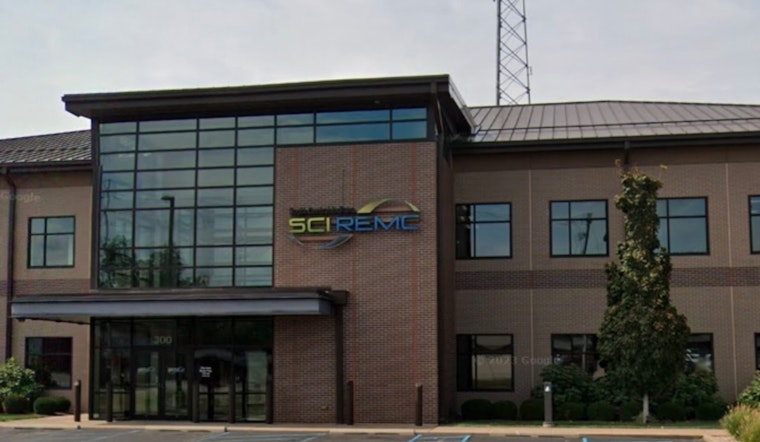
South Central Indiana REMC has been allocated a $30 million loan aiming to connect nearly 1,900 new consumers and build or improve upon 291 miles of power lines, including the inclusion of smart grid technologies—such an investment is anticipated to forge a path towards modernization and reliability for over 35,000 members across seven counties in the region, according to WTHR. Kankakee Valley REMC will utilize a $31.4 million loan for connecting 450 new consumers and improving 212 miles of power lines, promising to strengthen the community's access to electricity.





