

























































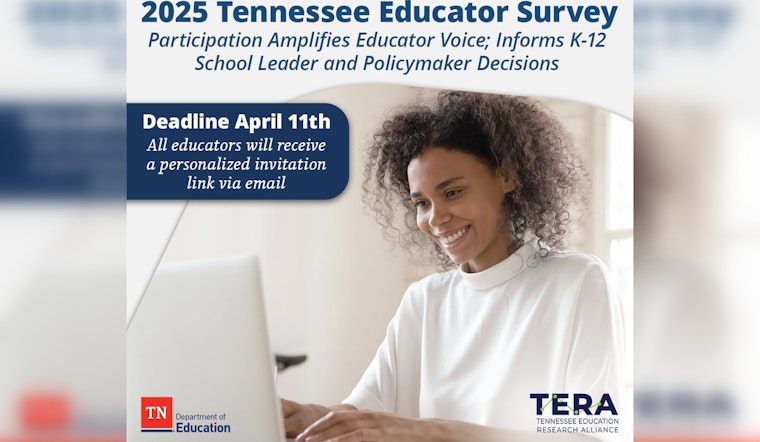
In a significant stride towards strengthening the voice of those shaping young minds, the Tennessee Department of Education, in collaboration with the Tennessee Education Research Alliance at Vanderbilt University, has unveiled the 2025 Tennessee Educator Survey, a platform for teachers and school staff to candidly shed light on the realities within Tennessee's educational landscape.
The survey, as detailed by the Tennessee Department of Education, opens today and will run through April 11, and it's not just another questionnaire to add to the pile—it's an opportunity for educators to paint a clear picture of what's happening in classrooms statewide and influence decision-making at every echelon from local schools to state policymakers. Emails with personalized invitations will land in inboxes this week ensuring that every educator has a chance to pitch in their two cents, in a survey that's voluntary and private—and there's a carrot dangled for participation; six schools with more than 90% engagement stand to snag a cool $5,000 each in staff appreciation grants.
Commissioner of Education Lizzette Reynolds, understanding the weight such feedback carries, stated to the Department of Education, "The Tennessee Educator Survey continues to be an impactful tool to hear directly from educators as our state’s leaders make insightful decisions that are beneficial to Tennessee’s students," and she shepherded every educator towards contribution to this pivotal exercise.
With its 14-year history of gathering nuanced insights into the education system, the survey delves into areas such as school climate, professional learning, and student readiness. Last year, it gathered perspectives from over 55% of educators across Tennessee, and this year, the survey goes even deeper with the addition of questions addressing modern issues like artificial intelligence and cell phone usage in schools. Laura Booker, Executive Director of TERA, emphasized to the Department of Education that "Educator perspectives on these issues help inform decisions made in their districts and schools and provide essential information to state leaders so they can best support local needs."
Furthermore, schools and districts that reach at least a 45% survey response rate will receive a breakdown of the collected data, thus equipping them with valuable intelligence to drive decision-making at the local level, a testament to the state's commitment to tailoring education to the unique needs and challenges of its diverse student populations.



