

























































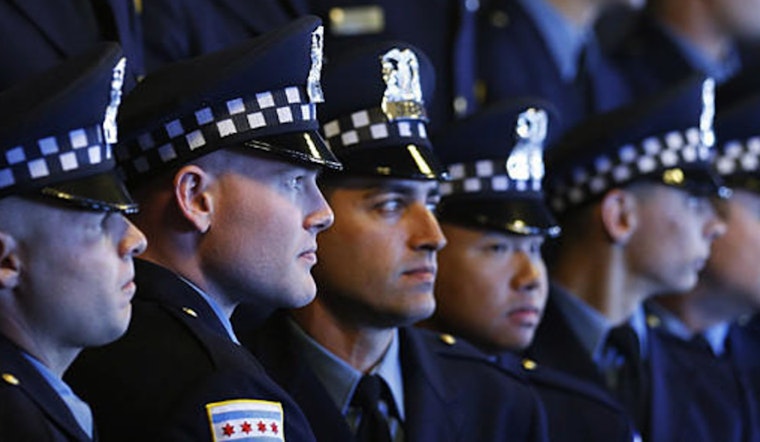
Chicago is currently facing a dual crisis that underscores the urgent need for enhanced mental health resources. In a series of tragic incidents, individuals with severe mental illness have committed unprovoked attacks in downtown Chicago, while the city also mourns the self-inflicted death of an off-duty police officer. According to The Chicago Sun-Times, there is no single entity coordinating mental health care in the city, leading to fragmented services and missed opportunities for intervention.
A thread of commonality runs through these cases, as both suspects accused of violence and the officer who died by suicide had histories indicative of mental health struggles. On the sidewalks of Chicago's bustling streets, the Sun-Times' investigation found individuals with mental illness cycling through the criminal legal system, unable to find sustainable support. At the same time, the law enforcement community reels from their loss, revealing another side of the mental health conversation - the wellbeing of those tasked to serve and protect. Per FOX 32, the Chicago Police Department's Professional Counseling Division is reaching out to offer various supportive programs, aiming to address the strains police officers face.
The Sun-Times reports individuals with mental health issues often do not receive "warm hand-offs" to treatment providers, a lapse that can lead to dire consequences. Mark Heyrman, who has a deep background in mental health policy, emphasized the importance of questioning why individuals fail to receive adequate services. Similarly, Dr. Robert Sobo of the Chicago Police Department's Professional Counseling Division emphasized the toll that the job can take on officers: "They risk their lives for us, for our wellbeing and our safety, and that costs a lot," as mentioned in Fox 32.
Both crises point to a system straining to fully meet the mental health needs of its community. In response to the officer's death, CPD Superintendent Larry Snelling urged officers to actively seek counseling services and support their colleagues. Likewise, the investigation indicates that treatment options are scarce, especially in downstate Illinois, leading many, including those granted probation contingent on getting treatment, to continue to virtually struggle without support. The Professional Counseling Division at CPD offers several programs, including counseling services and peer support, all aimed to help officers not simply to survive, but, as Sobo conveyed, "to actually thrive in it."
Funds, facilities, and a systemic push are required to address these issues holistically. Heyrman's insight highlights a demand for increased community mental health funding, which would allow more individuals to leave state hospitals and create space for those in greater need.





