

























































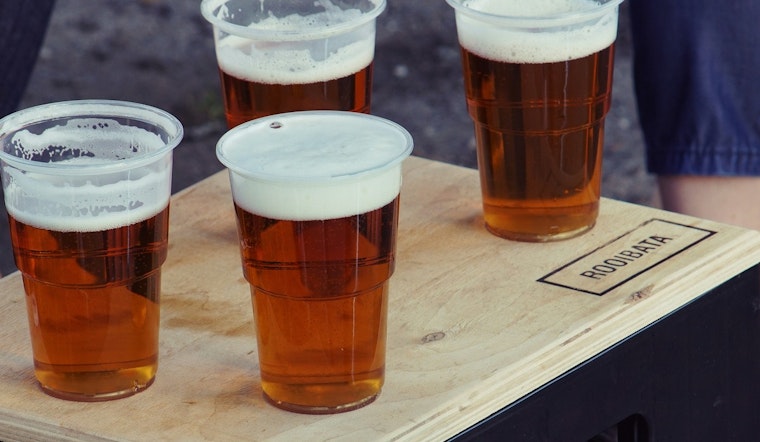
Miami Beach is taking a sip at something new: a pilot program that'll permit alcohol sales on its public sands. As reported by Local 10, earlier this week, the program received a green light from the Miami Beach commissioners in a 5 to 2 vote. The vision is to “Emulate where the great beaches are in the world,” was the word from Commissioner Kristin Rosen Gonzalez.
In what appears to be a move that resonates with sun-worshippers, the one-year trial will enable beachgoers, of legal drinking age, to snag a beer, wine, or mixed drink from Boucher Brothers—exclusively. With patrons like Henry Kogan praising the convenience, the company is the solitary beneficiary granted beforehand by the city to keep punters hydrated in front of Lummus Park. In the logic of city officials, this isn't just about convenience, though; there's municipal money on the table. "The city is going to get a minimum of $250,000 of revenue per year," Gonzalez told Local 10, adding that roughly 20% of alcohol sales will also pour into city coffers for education and non-profits.
Yet, the decision isn't without its skeptics. Some city leaders are worried about the initiative's potential side effects on public safety and beach cleanliness. As CBS News Miami highlighted, not every commissioner raised their glass to the idea. Alex Fernandez voted against the program, concerned it's walking on the wrong path leading towards greater safety risks.
On the flip side, voices like Commissioner Joe Magazine have chimed in with optimism, seeing the program as a stern answer to unauthorized drinking issues—notably, last year's 151 arrests tied to illegal vending reported by Police Chief Wayne Jones. "I'd rather have something that's regulated," Magazine told CBS News Miami, eyeing a solution to the bootleg margaritas and mystery beverages peddled out of backpacks along the coast.
Even tourists are tapping their fingers in anticipation—or concern. Texan visitor Lola Mason admitted to CBS News Miami her reluctance to buy off the beach's unofficial vendors, a sentiment that might sway in favor of the program's control and regulation. For all, though, the rules are still brewing: the city manager holds the authority to suspend or terminate the program at any time, and several months are still needed before bartenders can pop the cork as proper licenses are secured.





