

























































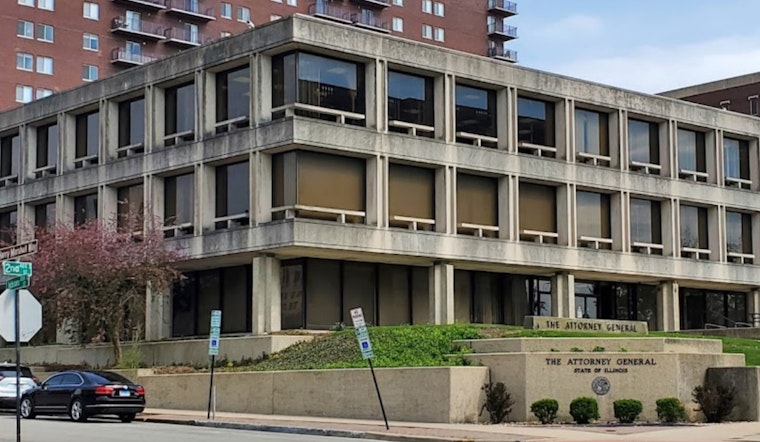
Attorney General Kwame Raoul has launched a lawsuit in tandem with a group of 20 attorneys general and two state governors against the U.S. Department of Housing and Urban Development (HUD) for policy changes they say would force thousands into homelessness. The group is taking aim at modifications to HUD's Continuum of Care grant program that allegedly impose new conditions on funding and cut the amount allocated for permanent housing and project renewals, as reported on November 25th by the Illinois Attorney General's website.
The coalition's complaint asserts that these changes will result in tens of thousands of individuals and families—formerly relieved of homelessness in Illinois and across the country—being ejected back onto the streets. "This is yet another attempt by the Trump administration to ignore congressional intent by threatening to remove critical grants that fund programs for our most vulnerable residents," Raoul stated. He emphasized Illinois' commitment to building affordable and permanent supportive housing and vowed to protect these priorities alongside his colleagues.
Historically, HUD's policy championed a "Housing First" model, which prioritizes providing stable housing without preconditions, a practice shown to not only improve housing stability and public health but also to cut the costs associated with homelessness for both individuals and communities. The changes, however, involve a drastic decrease from roughly 90% of Continuum of Care funding supporting permanent housing to a meager 30%, sparking concerns about the eventual eviction of thousands currently in stable housing situations.
Furthermore, the lawsuit contends that HUD is acting unlawfully by not first engaging in rulemaking before issuing these changes. According to the coalition, the changes infringe on congressional authority and go against HUD's own regulations. The group points out that just last year, HUD was promoting Housing First policies and taking into account the specific needs of LGBTQ+ individuals, which contrasts starkly with the new conditions.
Service providers and local organizations in Illinois rely on the certainty and consistency of these grants. In the state alone, 19 regional Continuums of Care received upwards of $182 million in federal support in 2024, a sum that backs a variety of initiatives, including rapid rehousing and transitional accommodation. The state is a key player in this, having boosted its contribution to combat and prevent homelessness by 154% in the past two years.
Raoul's message is clear in the face of what he and his colleagues see as HUD's abandonment of its longstanding, effective policies. Without meaningful public input and ignoring the potential harm, the policy alterations could have "harmful consequences on tens of thousands of vulnerable people," as stated in their complaint. Joining Raoul in the legal action are attorneys general from numerous other states, including California, New York, and Washington, among others, with the governors of Kentucky and Pennsylvania pitching in as well. The coalition represents a broad and united front, asserting the rights and needs of their most at-risk constituents in the face of shifting federal housing policies.





