

























































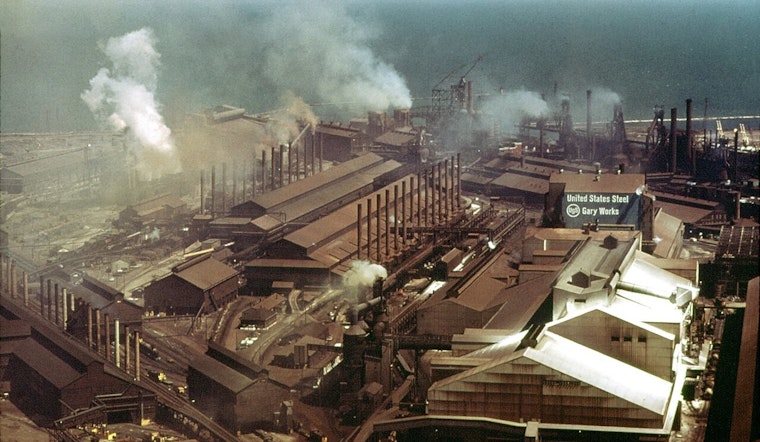
Steelmaking is set to return to Granite City, Illinois, as U.S. Steel moves to restart a blast furnace at its Granite City Works plant, which had its last furnace idled in 2023. The company says slab production should be back online in the first half of 2026 and estimates it will need roughly 400 workers as the facility ramps back up.
What U.S. Steel Announced
In a statement released through Business Wire, U.S. Steel said it has begun the process of restarting its "B" blast furnace after what it described as "several months of carefully analyzing customer demand." CEO David Burritt said the company is "confident in our ability to safely and profitably operate the mill to meet 2026 demand," as part of the same announcement.
How The Mill Got Here
The Granite City Works plant, perched on the Mississippi River across from St. Louis, shut its last operating blast furnace in 2023. U.S. Steel then moved to wind down slab processing in September before reversing course, according to AP News. AP also reports that the furnace was idled amid the industry disruptions of 2023 and that the United States now has roughly a dozen operating blast furnaces left.
Jobs And The Local Economy
U.S. Steel told reporters it expects to add about 400 employees at Granite City, roughly the number it says is needed to run the restarted furnace, a move that would pull the plant’s headcount back toward prior levels, Reuters reported. The United Steelworkers called the restart a welcome sign for union members and the surrounding communities, and local officials said the decision is encouraging even as they continue to press for longer-term investment at the site, NPR Illinois reported.
National-Security Deal Still In Play
The restart is unfolding under the terms of Nippon Steel’s takeover of U.S. Steel. The Japanese company completed a roughly $14.9 billion acquisition this year under a national-security agreement that gives federal authorities a say over plant closures and other key decisions, AP News reported. That agreement includes pledges to invest in U.S. operations and contains protections for Granite City Works that expire in 2027, while some other U.S. facilities remain covered for a longer period, according to the same reporting.
Market Context
The American Iron and Steel Institute reported that U.S. mills shipped about 7.69 million net tons of steel in October, more than 9 percent higher than the same month a year earlier, with year-to-date shipments running ahead of 2024 levels. Those figures come from the American Iron and Steel Institute. Industry coverage and analysts have pointed to tariffs and a rebound in demand from construction and automakers as key reasons domestic prices have strengthened and lead times have lengthened, a trend highlighted in recent reporting by The Wall Street Journal.
What’s Next
U.S. Steel says the Granite City restart will require a hiring and training push, along with time to get equipment back to safe operating standards, before slab production resumes in the first half of 2026, according to its release via Business Wire. Union leaders and local lawmakers are welcoming the immediate jobs, while also warning that real long-term security depends on whether the promised investments show up and whether federal protections remain in place after 2027, officials and union leaders have said.
Legal Implications
The national-security pact that cleared Nippon Steel’s purchase gives the federal government limited veto power over certain decisions, including plant closures, and that layer of oversight has become central to Granite City’s short-term reprieve, according to local reporting. Legal experts and trade groups say the structure sets a precedent for tighter federal oversight of strategic manufacturing assets and that Granite City’s long-term fate will hinge on how those protections and investment commitments are enforced, WTAE reported.





.jpg)