

























































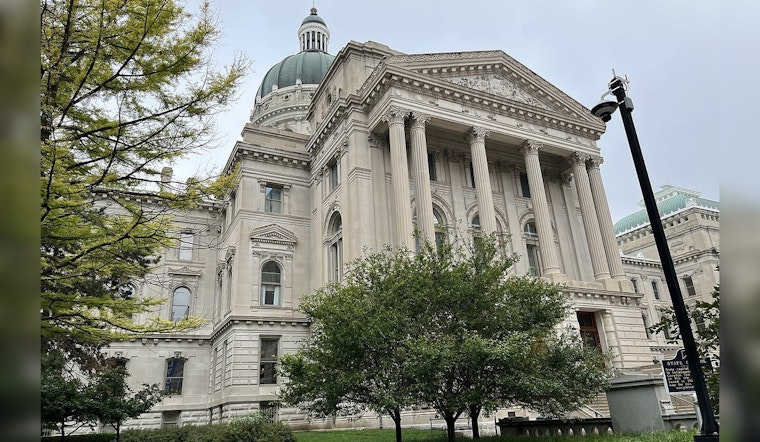
The Indiana House on Monday signed off on a sweeping Republican-backed overhaul of safety-net programs that tightens eligibility checks for Medicaid and the Supplemental Nutrition Assistance Program, ramps up immigration-status verification and would ban using SNAP benefits to buy candy and sugary drinks. Lawmakers spent hours sparring on the House floor before sending the proposal toward a final round of votes at the Statehouse.
What the bill would do
Senate Bill 1, carried in the House by Rep. Brad Barrett and authored in the Senate by Sen. Chris Garten, cleared the chamber on a 62-31 vote. The measure would end expanded categorical eligibility for SNAP, lower asset limits and require more frequent Medicaid redeterminations. It also writes the state's existing "Smart SNAP" limits on candy and soft drinks into statute, tightens work-reporting rules for the Healthy Indiana Plan and directs the Family and Social Services Administration to verify immigration status for applicants. Those and other specifics are detailed by Indiana Capital Chronicle.
Supporters' case
Republican backers argued the overhaul is needed to protect program integrity and keep rising Medicaid costs in check. Sponsor Rep. Brad Barrett called the bill "the genesis of HIP 3.0" and framed it as a way to rein in improper payments and modernize how the state polices eligibility, according to Indiana Capital Chronicle. Supporters pointed to state and federal reviews that flagged improper payments as justification for turning the screws on oversight.
Critics say it will push people off benefits
Democrats and anti-hunger advocates countered that the added documentation and stepped-up redeterminations could become bureaucratic tripwires that knock eligible Hoosiers off coverage. Members of the minority party warned the extra paperwork and verification checks will cost taxpayers more to administer while making it tougher for residents with fluctuating work hours to stay enrolled, as reported by WISH-TV. Some lawmakers cited real-world stories of residents who already struggle to meet tight verification deadlines under current rules.
Ties to 'Smart SNAP' and federal rules
The bill would cement the Braun administration's "Smart SNAP" policy, which targets sugary drinks and candy for exclusion from SNAP purchases and is outlined on the state's Family and Social Services Administration site, according to Indiana FSSA. Similar efforts around the country have drawn national attention because states generally must secure approval from the U.S. Department of Agriculture to limit what can be bought with federal SNAP dollars, and past attempts to restrict certain foods have been controversial, AP News has reported.
What happens next
Because the House changed the bill during debate, SB 1 now heads back across the rotunda to the Senate, which must sign off on the amended version before it can land on the governor's desk, according to WISH-TV. If it becomes law, the Family and Social Services Administration would be responsible for rolling out the new verification rules and Healthy Indiana Plan changes, a process advocates warn could be administratively heavy for both the state and county offices.
Legal and privacy questions
The legislation calls on state agencies to verify immigration status for Medicaid and SNAP applicants and, in some language, would require referral of individuals whose status cannot be confirmed to federal authorities. Axios reports that could translate into referrals to the Department of Homeland Security for investigation, a prospect that has triggered privacy and deportation concerns among immigrant advocates and some lawmakers.
Numbers and local impact
Nearly 275,000 Hoosier households currently receive SNAP benefits, and an analysis cited in coverage of the bill suggests ending categorical eligibility would bump roughly 3,000 participants off the rolls, with other eligibility shifts likely to produce an enrollment drop that is harder to pin down. Advocates, health care providers and county offices that actually run the day-to-day benefits system say they are bracing for the implementation details and timelines that will follow if the Senate signs on and the governor gives SB 1 the final nod.





