

























































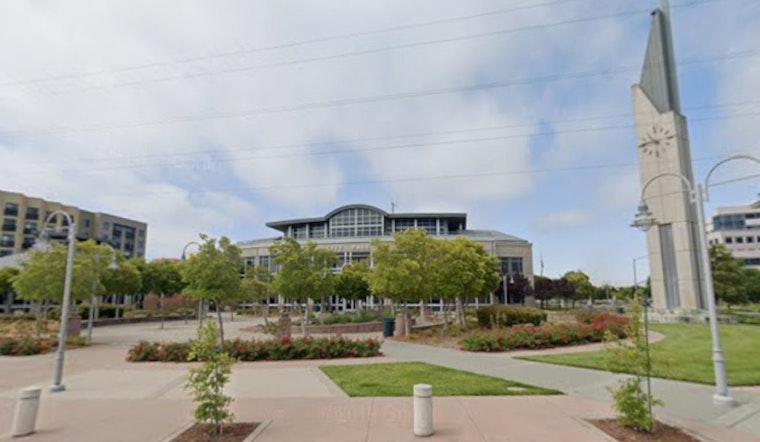
Foster City is poised to close the fiscal year with nearly a $5 million cushion, but residents hoping that means a spending spree might want to tap the brakes. City finance staff say the brighter outlook is mostly the product of timing quirks, one-time boosts, and vacant jobs, while long-term obligations like capital projects and pension costs are still waiting in the wings.
At today’s council meeting, Finance Director Nate Cruz told the council, "We are projecting that we will end the year in the black with a positive fund balance, or net revenue, of $4.9 [million], or almost $5 million," according to the San Mateo Daily Journal. The paper reports that transient-occupancy tax receipts are running about 7 percent below last year’s pace, and Cruz said the city has brought on audit capacity to begin TOT audits aimed at pinpointing the shortfall. Councilmembers also weighed staffing savings, roughly $3 million this year from unfilled positions, as a major piece of the improved picture.
VLF Backfill and Reserves
The city’s quarterly financial update shows that part of the turnaround came when Foster City received previously uncertain property-tax-in-lieu-of-vehicle-license-fees payments, often called VLF backfill, that lifted near-term revenue, according to the City of Foster City. That report lists General Fund Unrestricted Reserves at about $63.1 million at the end of FY 2023–24 and notes a VLF backfill of roughly $667,000. Staff flagged that the results are helped by one-time and timing items and cautioned that multi-year structural pressures from labor and benefits are still a concern.
Council Moves on Pension Prepayment
The council voted to move forward with a $15 million lump-sum payment to CalPERS designed to target investment losses the system faced in 2022. Cruz said that a one-time payment would save the city about $2 million a year for roughly 16 years. Councilmembers agreed to scale back the payment from a larger proposal so funds would remain available for other needs, including police-station upgrades, according to the San Mateo Daily Journal. Even with the pension move in play, officials noted that planned transfers of about $5 million a year to capital improvements effectively wash out the projected surplus.
What To Watch Next
The next signals to watch are the results of the TOT audits and the timing for the CalPERS prepayment and capital projects spending. Those outcomes matter because the current forecast leans on one-time receipts and staffing savings rather than sustained revenue growth, and the city will have to juggle infrastructure work alongside other priorities. Hoodline previously covered Foster City’s slow pace on state housing targets in a report on the city’s slow pace on state housing targets, a dynamic that could complicate trade-offs as council members finalize spending plans.
For now, city leaders say they plan to watch the audit findings and the capital program rollout before making new spending commitments. Residents can track the details in upcoming council agendas and staff reports posted on the city’s website.


