

























































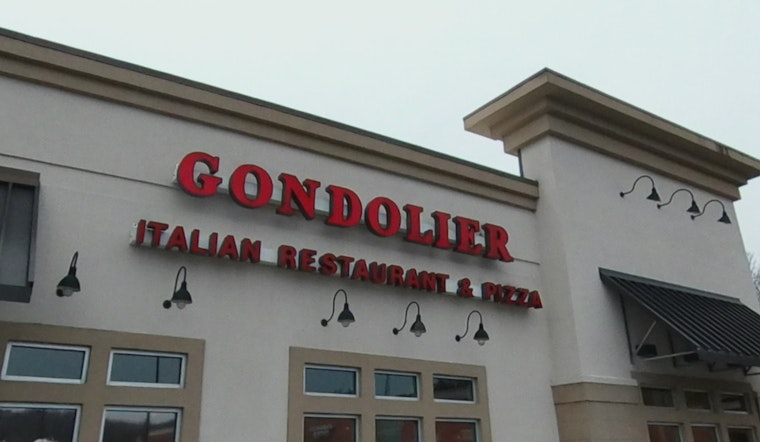
A Harriman Italian restaurant had to dump roughly 300 pounds of sauce after a Roane County health inspection found big batches of marinara and meat sauce sitting at unsafe temperatures. The first visit did not go well: inspectors slapped the eatery with a failing score of 67, then later returned and, after fixes, bumped the grade up to 91.
Inspection findings
As reported by WATE 6 On Your Side, inspectors documented about 180 pounds of marinara tossed from a steam table and about 120 pounds of meat sauce thrown out from refrigeration. Temperature checks showed the marinara hovering between about 48°F and 60°F, with the meat sauce sitting near 50°F. The report also flagged a dishwasher running with no sanitizer, a rotisserie with only one working warming element that left gyro meat at roughly 77°F, and a container of house-made ranch with no date marks. Inspectors wrote that the person in charge "demonstrated no managerial control" and recorded a 67 on the initial visit.
Why those temperatures matter
According to the FDA Food Code guidance, the temperature "danger zone" for time and temperature control foods runs roughly from 41°F to 135°F, where bacteria can multiply rapidly if food is held there for extended periods. The FDA recommends cooling cooked foods from 135°F to 70°F within two hours and to 41°F within an additional four hours, which helps explain why inspectors ordered the sauces discarded instead of saved.
Follow-up and fixes
The inspector returned for a follow-up visit and found the violations corrected, raising the restaurant's grade to 91, according to WATE 6 On Your Side. The outlet also notes that individual inspection reports are public records that should be posted at the establishment so customers can see how things went.
What diners should watch for
Missing date marks on ready-to-eat foods, obvious temperature problems and signs that sanitizing steps are being skipped are common red flags for inspectors and customers alike. The FDA job aid on time and temperature control lays out date-marking and cooling practices restaurants should use to avoid the kind of wholesale disposal that played out in Harriman.



