

























































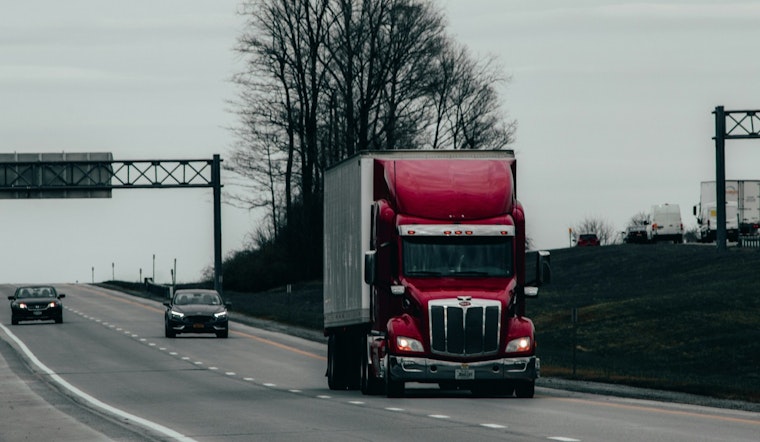
Indiana is taking a hard line on who gets to drive big rigs inside the state, canceling hundreds of commercial licenses and ramping up enforcement just as federal regulators tighten the rules. State officials and transportation regulators say the goal is to close a loophole that let some non-citizen drivers keep long-term commercial credentials. National reporting later said Indiana authorities stopped and prosecuted nearly 300 undocumented drivers with CDLs issued in New York and California, a figure that does not yet appear in the public state records Hoodline reviewed.
The crackdown followed a new law this year that narrows who can legally hold a commercial driver’s license in Indiana. When House Enrolled Act 1200 took effect on April 1, the Bureau of Motor Vehicles canceled nearly 1,800 so-called “non-domiciled” CDLs, according to reporting by the Indianapolis Business Journal. Officials say many of the revoked credentials were issued under older state practices that federal regulators now view as noncompliant.
Federal Rule Changed Who Qualifies for a CDL
Indiana’s purge is part of a broader federal overhaul of non-domiciled CDL rules. The Federal Motor Carrier Safety Administration published a final rule that narrows eligibility for non-domiciled commercial learner’s permits and CDLs, requires in-person checks and verification through USCIS’s SAVE system, and limits which nonimmigrant statuses are eligible, as described in the federal rulemaking and FMCSA’s final rule package. The Federal Register explains the new verification procedures and expiration requirements that states must now follow.
What The New York Post Reported and What’s Public
The New York Post reported that Indiana authorities stopped and prosecuted almost 300 undocumented drivers over about a 90-day stretch, many of them holding commercial licenses issued by New York or California. The outlet attributes the figure to an official quoted in its story. Hoodline reviewed public state BMV materials and local press rollouts and did not find an independent public record listing that specific 283 or “nearly 300” total; statewide reporting has instead focused on the April license revocations and the law’s provisions. See the BMV totals reported by WFYI for the statewide cancellations.
Legal Penalties and Enforcement Tools
Indiana’s new law also raised the stakes for getting it wrong. Under HEA 1200, drivers who knowingly operate a commercial vehicle without required entry or visa documents can face criminal charges and civil fines, and businesses that knowingly employ ineligible drivers face steep penalties, according to local coverage. WFYI and industry reporting note that some violations carry potential felony exposure and that civil fines can be levied against employers and training schools that stay out of compliance.
Industry Reaction and What It Means for Freight
Trucking and logistics groups warn that large-scale revocations will tighten capacity in an already stressed freight market, while state officials and some safety advocates argue the measures are necessary to keep poorly vetted drivers out from behind the wheel of large commercial vehicles. Coverage in industry outlets and local reporting says the state’s trucking association has not yet reported supply disruptions in Indiana, but acknowledges the regulatory shift is significant for carriers and drivers alike. See analysis in Overdrive for additional industry perspective.
Bottom Line
Indiana’s move is both a local enforcement story and part of a national regulatory realignment that began with FMCSA’s rulemaking. State data confirms mass license revocations tied to HEA 1200, while national outlets have reported a separate figure for stops and prosecutions that Hoodline could not independently verify in state press materials. We will continue to watch official filings, BMV updates, and court records for any confirmation of arrests, prosecutions, or appeals related to the specific counts reported in national coverage.





