

























































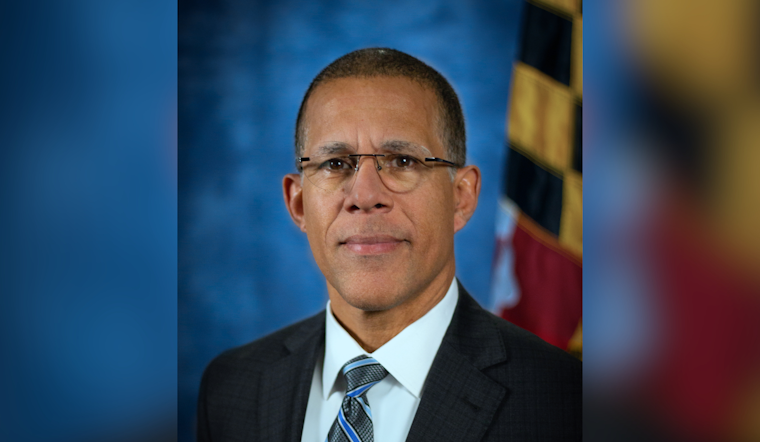
Maryland Attorney General Anthony G. Brown is stepping into a high-stakes fight over who gets to decide where millions in charitable dollars go, joining a multistate push to loosen new restrictions on donations to the Southern Poverty Law Center.
Brown this week signed onto a coalition of state attorneys general urging several major donor-advised funds to roll back recent limits on grants to the Montgomery, Alabama-based civil-rights nonprofit. His office framed the move as an effort to defend donor intent and nonprofit speech after a federal indictment put the SPLC under criminal scrutiny, according to the Maryland Office of the Attorney General.
In a certified letter, Brown and 15 other attorneys general pressed Vanguard Charitable, the Fidelity Investments Charitable Gift Fund, and Donor Advised Charitable Giving, Inc. to "reevaluate" their decisions to pause or block grants to the SPLC. The coalition warned that sweeping freezes risk undermining donor intent and allowing politically charged prosecutions to function as a backdoor form of viewpoint discrimination, according to the Maryland Office of the Attorney General.
Who Signed The Letter
The effort was led by Minnesota Attorney General Keith Ellison and includes top lawyers from California, Colorado, Connecticut, Delaware, Hawaiʻi, Illinois, Maine, Massachusetts, Minnesota, Nevada, New York, Oregon, Vermont, Virginia, and Washington, in addition to Maryland. The coalition letter, dated May 21, 2026, also asks the donor-advised fund sponsors to say whether they have paused donations to other nonprofits and to reconsider any blanket restrictions, according to the Minnesota attorney general's letter.
What The Justice Department Charged
The political and legal backdrop is significant. On April 21, 2026, the U.S. Department of Justice announced an 11-count indictment of the SPLC that charges wire fraud, false statements to a federally insured bank, and conspiracy to conceal money laundering tied to payments to confidential informants, according to the U.S. Department of Justice.
Prosecutors allege the SPLC routed more than $3 million between 2014 and 2023 to individuals linked to violent extremist groups, a claim the organization strongly disputes. Earlier local reporting has detailed the federal probe.
Donor-Advised Funds And Fallout
In the wake of the indictment, several large donor-advised funds either restricted or halted grants to the SPLC. The coalition of attorneys general is now warning those trustees not to morph into political gatekeepers, according to New York Attorney General Letitia James.
The letter argues that pausing donations without clear and transparent standards risks chilling constitutionally protected activity. The attorneys general urge the funds to "carefully evaluate" whether their actions truly honor donor intent or simply mirror the controversy of the moment.
SPLC Response And Legal Status
The SPLC has denied wrongdoing and entered a not guilty plea. Interim president Bryan Fair has called the charges "provably wrong," and the organization has asked federal courts to curb what it says are prejudicial public statements about the case, the Associated Press reported.
Even as the criminal case proceeds, attorneys general in Alabama and Texas have launched their own probes or inquiries into the SPLC's fundraising and informant program, layering on a civil enforcement angle to the federal indictment, according to reporting by The Washington Post.
Why This Matters In Maryland
For Maryland donors and nonprofits, Brown's move signals that the state is watching what happens when national prosecutions collide with charity governance and free-speech concerns. His office says the point is not to litigate the indictment in the court of public opinion, but to make sure donor-advised funds are not quietly rewriting the rules on where charitable dollars can flow, according to the Maryland attorney general's release.
In practical terms, the coalition is putting pressure squarely on the fund administrators rather than directly challenging the Justice Department. The legal fight over the charges will play out in federal court. In the meantime, Brown and his counterparts are trying to keep the channels of charitable giving open, even for organizations under a very bright federal spotlight.





.jpg)