

























































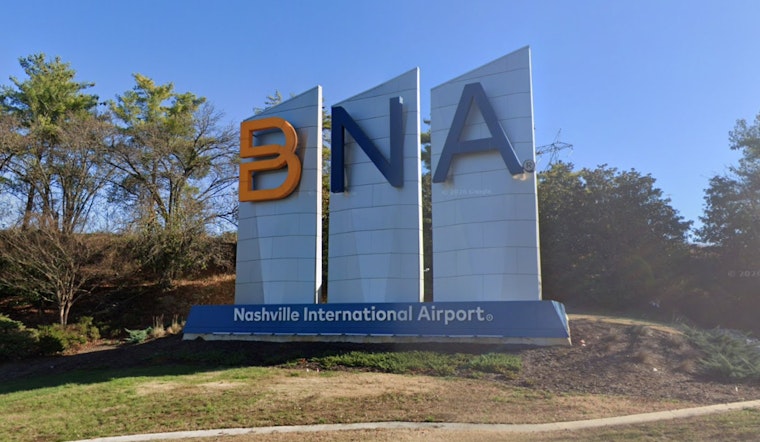
Thunderstorms rolling through Middle Tennessee on Friday prompted the Federal Aviation Administration to order a ground stop for incoming flights at Nashville International Airport, putting arrivals on pause at their departure airports and triggering a chain of delays at BNA through the afternoon.
According to the FAA’s Air Traffic Control System Command Center, the traffic-management program targeted flights arriving at BNA because of storms in the Nashville area. The advisory explains that ground stops keep aircraft on the ground at their origin, which helps avoid airborne stacking and gives controllers space to manage the airfield safely during intense weather.
Local impact and delay totals
Local reporting from FOX 17 noted that the FAA initially planned for the restriction to end at 2:30 p.m. CDT and estimated roughly a 30% chance that it could be extended. Airport trackers showed more than 80 delays to and from BNA, according to FlyNashville, and several airlines held inbound flights until the weather eased.
Why brief pauses can cause big headaches
Thunderstorm-related ground stops are a normal tool in the FAA playbook, but the airport has already seen recent arrival slowdowns tied to both weather and staffing that can magnify the fallout from even short interruptions. Coverage from NewsChannel 5 shows that when storms linger, the FAA sometimes keeps restrictions in place into the evening, which can ripple through airline schedules and disrupt connections far beyond Nashville.
What travelers should do
Passengers flying into or through BNA were urged to confirm their flight status directly with their airline and to watch the airport’s update tools, according to FlyNashville. Airlines typically provide alerts and rebooking options for affected customers, but anyone scheduled to travel should be ready for longer waits until the FAA fully lifts its flow-control measures.



