

























































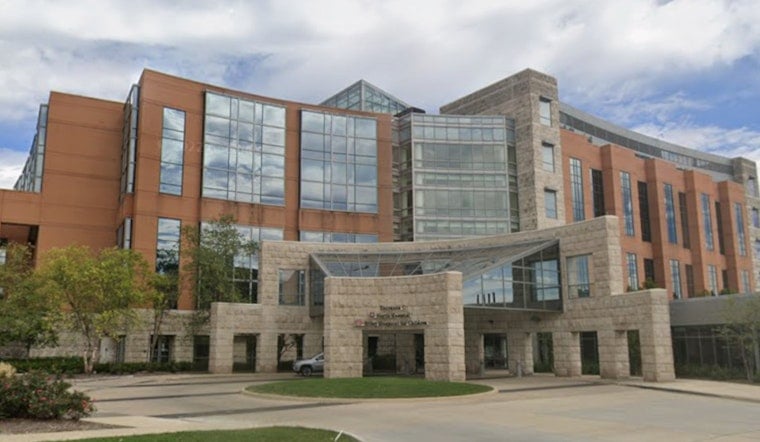
Riley Hospital for Children at Indiana University Health says it has completed what it believes is the world’s first successful pediatric bone marrow stem cell transplant using cells recovered from a deceased donor. Performed earlier this year, the procedure put a 14-year-old Indiana boy back into remission after a previous living-donor graft failed.
Fourteen-year-old Noah Britt of Bloomington was diagnosed with acute myeloid leukemia in August 2025 and received the deceased-donor transplant in late February after an initial living-donor transplant failed in January, according to ABC57. ABC57 reports that Noah is now in remission and continuing follow-up care at Riley Hospital for Children.
Doctor's update and patient progress
“We were facing a race against time,” said Dr. Jodi Skiles, medical director of Riley’s pediatric stem cell transplant program, as reported by Riley Children's Health. Riley Children's Health notes that Noah showed engraftment within weeks of the transplant and is now roughly three months post-procedure. He will remain under close follow-up for one year.
How the HOPE program works
The transplant used marrow supplied through the HOPE expanded-access program, an on-demand pathway tied to the PRESERVE I study of cryopreserved deceased-donor bone marrow, according to Ossium Health. The process recovers hematopoietic cells from the vertebral bodies of consented organ donors, processes and cryopreserves them, then makes characterized grafts available for shipment when a matched living donor cannot be found quickly. PRESERVE I and related expanded-access pathways are testing safety, engraftment timing and product dosing across participating centers.
Why this could expand access
Clinicians involved say the approach could close critical gaps for patients who cannot find timely living donors. Riley Children's Health reports that Noah is the only pediatric case among 28 patients worldwide treated with the technology so far, according to Riley Children's Health. Peer-reviewed work on cryopreserved deceased-donor marrow shows comparable engraftment kinetics and argues that vertebral-body marrow can deliver high CD34+ cell doses, features that may matter when speed and cell dose affect outcomes, per published studies.
Risks and what's next
Experts stress that allogeneic transplants, regardless of donor source, carry risks including graft-versus-host disease, graft failure and infection, and require careful monitoring, according to the Mayo Clinic. Investigators and company partners say more cases and formal trial results will be needed to define safety and long-term outcomes for children, but Noah’s recovery offers an early sign that the approach can work under urgent, carefully managed conditions.





