

























































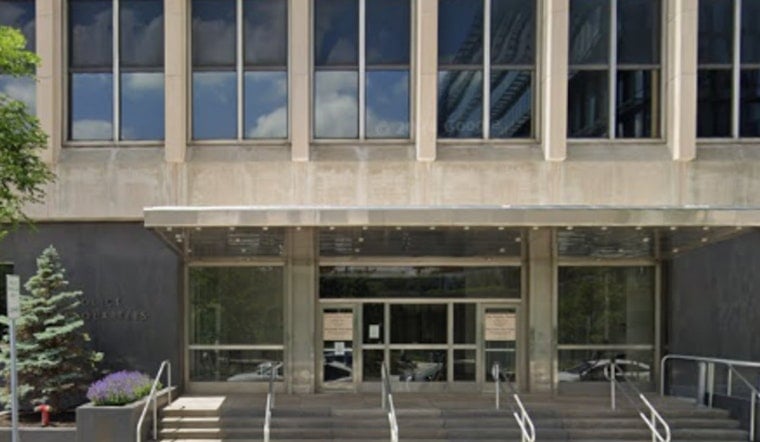
The rift between Indianapolis police and Marion County Prosecutor Ryan Mears just went from simmer to boil. This week, the Indianapolis Fraternal Order of Police issued a formal vote of no confidence in Mears, saying rank-and-file officers have lost faith in how his office handles prosecutions and public safety. Union leaders said the internal referendum drew "hundreds upon hundreds" of ballots and that the outcome was overwhelmingly against both the prosecutor and the county courts, turning an already heated debate over crime and charging priorities into campaign-season kindling.
What the union said
According to The Indianapolis Star, the FOP's proclamation said about 99% of voting members indicated no confidence in Mears, and roughly 97% signaled no confidence in Marion County's court system. Indianapolis FOP President Rick Snyder said the vote reflects deep frustration with how criminal cases are handled and added, "I have never seen our Marion County justice process in the shambles that it's in right now."
Prosecutor's office pushes back
The prosecutor's team did not exactly shrug off the broadside. In a statement to The Indianapolis Star, Marion County Prosecutor's Office spokesman Michael Leffler called the FOP's move "recycled this same political stunt" from the 2022 election cycle and urged residents to look at the office's record instead.
The office has pointed to its trial work and conviction numbers as a counterweight to the criticism. Axios reported that the prosecutor's office cited roughly a 94% murder conviction rate, along with strong conviction rates for other violent crimes, as evidence that serious offenders are still being held to account.
Election backdrop
The timing is not subtle. Mears is on the ballot this fall, seeking another term as Marion County prosecutor. He is set to face Republican Philip Foust, a former deputy prosecutor and Speedway clerk-treasurer. WFYI reported that both cleared their parties' primaries in May and will meet again in November, with public safety squarely at the center of the race.
What the vote actually does
Despite the fiery rhetoric, the no-confidence vote does not have legal teeth. It does not remove Mears from office or change his formal authority over prosecutions. A Congressional Research Service explainer notes that votes of "no confidence" in U.S. institutions are symbolic, used to exert political pressure and send a message, but they carry no direct legal force to oust or replace elected officials.
Why the split widened
The break between parts of the police community and Mears' office has been building for years. It has largely centered on charging priorities and plea decisions, including Mears' earlier move to deprioritize prosecuting low-level marijuana possession. Critics argue that such policies weaken accountability and embolden offenders. Supporters counter that they free up limited resources to focus on violent crime and more serious offenses.
Axios and other local coverage have tracked those tensions alongside the conviction and trial statistics the prosecutor's office touts, underscoring how the same data is being used to support sharply different narratives about safety and justice in Marion County.
The FOP's no-confidence proclamation is almost certain to reappear in campaign ads, mailers, and debates as the fall election nears. For now, it stands as a blunt public rebuke from a powerful police union, even as the legal powers of the prosecutor's office remain exactly the same.



