

























































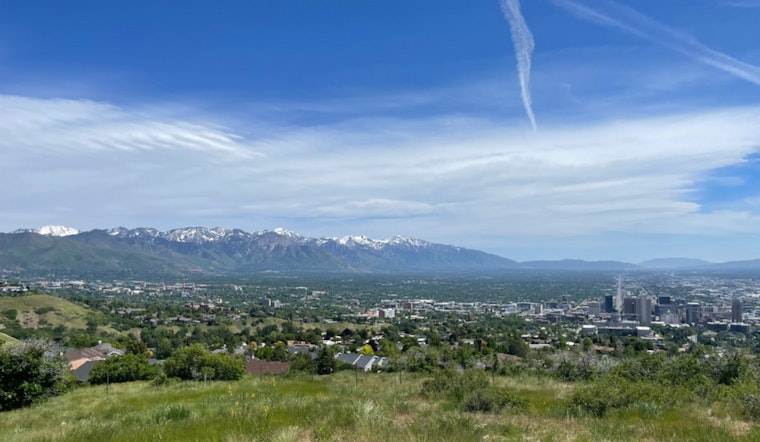
Salt Lakers are starting Sunday under clear, cool skies, but the calm vibe will not last all day. Sunshine and dry air will help push afternoon highs into the upper 80s, and although light northwest breezes should stay on the gentle side, smoke from nearby wildfires could drift in later. That haze may cut visibility at times tonight as winds slacken, with overnight lows dropping into the low 60s across the valley.
Afternoon Heat And A Warming Trend
According to the National Weather Service, today’s high should land near 88, kicking off a steady warming trend as high pressure rebuilds over the region. Monday is expected to climb into the low 90s, with mid to upper 90s likely by Tuesday and Wednesday. With lower humidity teaming up with rising temperatures, the risk of heat related illness in some valleys goes up, so it is a good idea to plan outdoor time for earlier or later in the day.
Smoke And Visibility
Smoke from multiple wildfires across northern Utah is likely to slide into the Salt Lake Valley at times, creating haze and “slantwise” visibility issues, especially near the airport, as winds weaken tonight. State incident maps and the statewide fire dashboard are tracking the latest perimeters and restrictions; you can find those updates at Utah Fire Info. People with lung disease, asthma, or other respiratory conditions should be ready to cut back on time outside if the smoke thickens.
Airport And Commute Impacts
Salt Lake City International could see brief dips in visibility overnight and into Monday morning, depending on how the smoke settles, which may lead to changing conditions for some flights. There are no active watches or warnings for the Salt Lake City forecast area right now, but shifting fire behavior and the early week heat could change things in a hurry, according to the National Weather Service.
How To Prepare
If smoke starts to become noticeable where you are, limit strenuous activity outside, keep windows shut, and run air conditioning or HEPA filtration if you have it. As temperatures climb in the coming days, try to avoid hard outdoor work during the hottest afternoon hours, stay hydrated, and check on neighbors who might be vulnerable. Keep an eye on local updates and the state fire dashboard for any changes to active incidents or new restrictions.





