

























































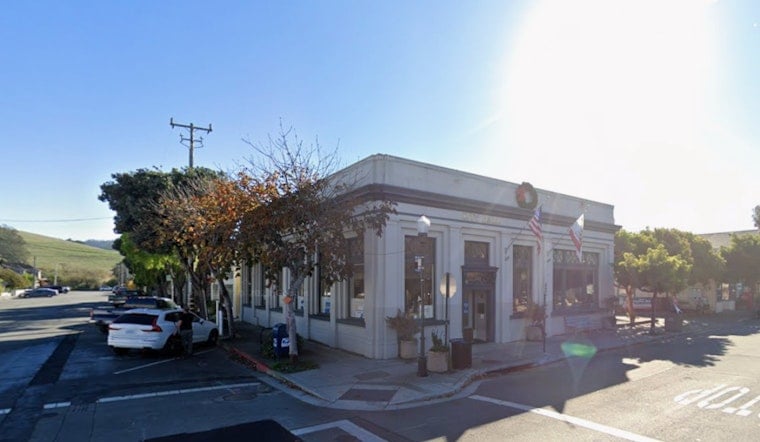
Half Moon Bay's City Council voted 4-1 to approve rezoning amendments to the city's housing element, a move city leaders hope will help end a state lawsuit over the coastal city's years-overdue housing plan. The vote also included upzoning parts of the town center for greater density, but it left unresolved a bitter fight over a church-owned lot that neighbors and parishioners have fought to keep off the city's list of housing sites.
The rezoning amendments are designed to support state certification of Half Moon Bay's housing element, according to the San Mateo Daily Journal, which reports the changes could ultimately help end California's lawsuit against the city. The state is seeking approval of residential developments in Half Moon Bay and is asking a judge to strip the city of its nonresidential permitting ability, according to the outlet's reporting. Half Moon Bay's housing element is roughly three years late in receiving state certification, and the plan must account for 990 housing units required by the state.
That lawsuit, filed July 16 by California Attorney General Rob Bonta and the Department of Housing and Community Development, targeted Half Moon Bay along with four other cities after the city fell more than 3.5 years behind schedule, according to a California Department of Justice announcement. Hoodline previously reported on that lawsuit against five cities. State housing officials had already warned the city in March, issuing a formal Notice of Violation that rejected Half Moon Bay's proposed October 2026 rezoning timeline as unsatisfactory given the delay past its January 2023 deadline, according to the California Department of Housing and Community Development.
Church Lot Remains a Sticking Point
At the center of local opposition is a vacant lot in the 300 block of Church Street that has been designated a potential future housing site and included in the housing element for roughly two years, per the San Mateo Daily Journal's reporting on the meeting. Our Lady of the Pillar Church controls whether that lot can be developed for housing, and parishioners protested its inclusion during the meeting. Church parishioners expect the parish to build an additional school building on the lot instead.
Paul Nagengast, an attorney representing the church, said Half Moon Bay had lost trust by including the church lot in the first place. Records show representatives for the Archdiocese of San Francisco and the church had notified the city as early as 2021 that the pastor would not sell or lease the lot for municipal housing, citing its routine use for parish fundraising events and daily parking, according to city records.
City Manager Matthew Chidester said the city would proceed with a motion addressing parishioners' concerns, and indicated officials were considering zoning and density changes rather than outright removing the property from the plan. Removing the church site could delay the housing element certification process, and the city could still remove the site down the line, according to the Journal's account of the meeting. Half Moon Bay plans to begin reviewing alternative sites for its state-mandated housing goals and intends to seek out additional housing opportunity sites once the housing element receives state certification. Mayor Debbie Ruddock led the council through the 4-1 vote.
Upzoning Adds Exceptions for Workforce Housing
Beyond the church lot dispute, the council separately approved upzoning areas of the town center to allow greater density. That upzoning creates additional exceptions for workforce housing and allows more affordable housing development without requiring substantive city approval, easing a path that has otherwise been slow-going in a city bound by Measure D, the 1999 voter-approved initiative capping annual residential population growth at 1% to 1.5% per year, according to CBS San Francisco.
Because Half Moon Bay sits entirely within the California Coastal Zone, any zoning changes or housing element updates must also clear a secondary review and certification by the California Coastal Commission, adding months of processing time beyond standard state oversight, according to the city of Half Moon Bay. The Half Moon Bay Planning Commission had already voted 4-1 on August 5 to approve a draft Local Coastal Program Implementation Plan update recommending higher-density workforce and by-right affordable housing zoning codes, as reported by Coastside Buzz, setting the stage for the council's vote.
Farmworker Housing Fight Looms Over November Ballot
The housing element dispute unfolds alongside a separate, closely watched fight over a 40-unit affordable housing project for low-income senior farmworkers at 555 Kelly Ave. The City Council approved a 99-year ground lease for $1 annually with developers Mercy Housing and ALAS for that project in May, but a signature petition drive by the coalition Let Half Moon Bay Voters Decide pushed the council to place the approved lease on the November ballot instead, per Coastside Buzz's reporting.
Momentum for that farmworker housing intensified after a January 2023 mass shooting in Half Moon Bay killed seven agricultural workers and exposed substandard, overcrowded living conditions at local farms, according to KQED. State leaders have expressed frustration over continued delays to that five-story project, though California has not directly stated whether it intends to take legal action if the voter-sponsored ballot measure ultimately blocks it. Hoodline has previously covered the council's earlier decision to grant Mercy extra negotiating time on the project.
Together, the two disputes illustrate the bind Half Moon Bay finds itself in: a coastal city under direct legal pressure from the state to build hundreds of new homes, while local land-use rules, a church's property rights, and a citizen referendum each narrow the paths available to get there. City officials say the rezoning changes approved this week are meant to keep the broader housing element moving toward certification even as the church lot question remains unsettled.



