

























































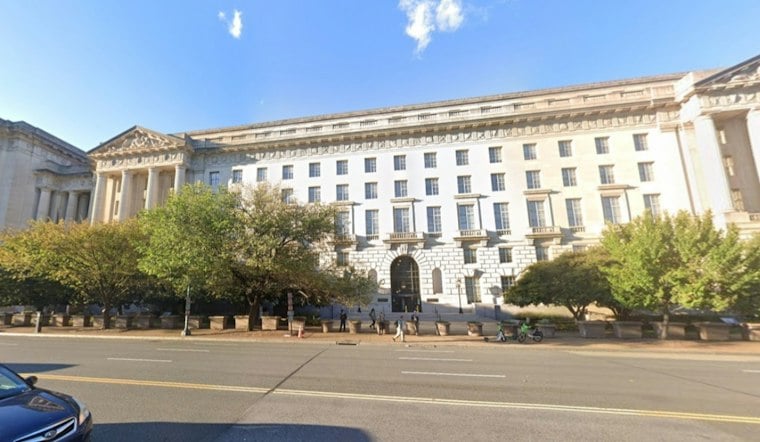
The U.S. Environmental Protection Agency has proposed approving Indiana’s plan to regulate more than 100 coal combustion residuals, or coal ash, units through the Indiana Department of Environmental Management. The proposal would create the country’s largest state-run coal ash permitting program, but the transfer is not final: EPA has opened a 60-day comment period and scheduled a public hearing for Nov. 12. Comments are due Nov. 16, according to the Chicago Tribune.
What the proposal would change
The proposed approval uses authority Congress created in the 2016 Water Infrastructure Improvements for the Nation Act. Under that framework, a state may seek EPA approval to administer a coal ash permit program instead of relying on the federal system; Oklahoma, Georgia and Texas are among the states with approved programs listed by the EPA.
Indiana’s program grew out of state legislation directing IDEM to develop coal ash rules and preventing the agency from adopting requirements more stringent than the federal baseline, according to the Indiana statute. State officials have said the program would require covered facilities to obtain state permits, with a permitting staff of roughly nine to 13 people, while more than 100 Indiana coal ash units would fall within the program, the Tribune reported.
The Indiana Environmental Rules Board approved IDEM’s coal ash rule package on Dec. 18, 2025, allowing the agency to submit the program for federal review. IDEM says, however, that the new state rules will not take effect until EPA approves Indiana’s permit program. Until then, the agency continues reviewing closure applications under existing authorities, according to IDEM.
A new permitting layer, not a completed cleanup system
That timing matters because the federal coal ash rule originally operated as a self-implementing system: facilities were responsible for meeting federal requirements without a federal or state permit program. EPA approval would therefore establish Indiana’s formal state permitting structure, but it would not by itself resolve contamination, close every disposal unit or complete cleanup work already underway.
IDEM says records concerning coal ash approvals and inspections are available through its Virtual File Cabinet, the agency’s public-records repository. That provides a way for residents to track facility documents as the proposed state program moves through review, although the proposal does not settle how every existing site will be managed after approval.
Why past Indiana cleanups are part of the debate
Indiana’s history includes coal ash contamination cases that are separate from the proposed statewide transfer. At the Town of Pines Superfund alternative site, EPA said in 2025 that cleanup work overseen since 2016 had removed 3,733 truckloads of contaminated soil from areas affected by NIPSCO coal ash. EPA also proposed revised cleanup levels for that site, according to its cleanup update.
The Town of Pines response is a useful precedent but not a direct measure of what Indiana’s proposed permit program would accomplish. It involves a site-specific federal cleanup and revised remedies, while the current proposal concerns the state’s authority to issue and oversee permits for covered coal ash units. Likewise, EPA has handled a separate corrective-action cleanup involving a former coal-fired facility and coal ash disposal area at NIPSCO’s Bailly Generating Station in Chesterton, according to the EPA.
Indiana produces about 5 million tons of coal ash annually and has 51 federally regulated ponds and landfills holding 73.4 million cubic yards of waste across 16 power plants, according to an Earthjustice fact sheet. Those figures describe the scale of the material Indiana would oversee; they do not establish that every unit is contaminated or that the proposed program would produce a particular cleanup result.
What remains unresolved
Indiana officials have presented state control as a way to improve accountability and permitting efficiency, while environmental advocates have questioned whether a program tied to federal minimums can provide stronger protection or address older disposal sites. The practical questions now before EPA include how Indiana will implement permits, how inspections and enforcement will be documented, and how ongoing closure and corrective-action work will interact with the new program.
For now, EPA has proposed—not finalized—the transfer. The public comment period and Nov. 12 hearing will determine what concerns federal officials address before deciding whether Indiana takes over coal ash permitting authority.



