

























































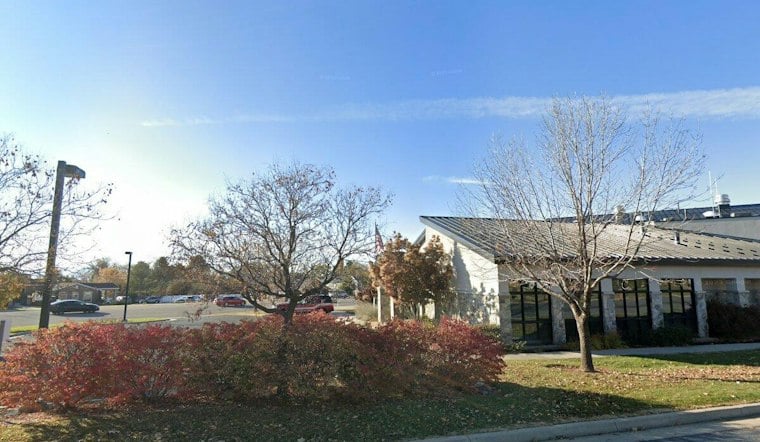
Kaysville voters will decide November 3 whether to approve a $16.5 million bond to build the city's second fire station, a project meant to fix response times on the west side that have stretched as long as 12 minutes. The 20-year bond would fund Station 62 on city-owned land near Deseret Drive and Burton Lane, west of Interstate 15, finally answering a request residents have made for eight or nine years.
A Fourfold Cost Increase Since 2018
As reported by KSL.com, Kaysville currently operates just one fire station, Station 61 on Main Street, as the city's population has grown since the 2020 census, according to U.S. Census Bureau figures. That growth has pushed call volume sharply upward: the fire department fielded roughly 1,900 calls in 2024 and nearly 2,400 in 2025, an 18.6% one-year jump that Fire Chief Paul Erickson attributed to the city's expansion, per the station's report. Emergency calls have risen about 63% over the past decade, according to Kaysville City.
The price tag reflects just how long the project has been deferred. Back in 2018, city estimates put the cost of a west-side station at under $4 million; the current $16.5 million bond represents more than a fourfold increase, driven by construction inflation and years of delay, according to Kaysville City.
Why West-Side Response Times Lag
The proposed station would be west of I-15, addressing west-side coverage concerns. West-side residents currently wait an average of about eight minutes for help, with response times sometimes reaching 12 minutes, the same account notes. Citywide, Kaysville met the national six-minute response benchmark only about 60% of the time in 2025, per the KSL.com report.
“Obviously, that's a problem for us,” Erickson told KSL.com. City GIS mapping simulations project that a functioning west-side station would bring the average response time in that sector to around five minutes, with the longest response about seven minutes, per Kaysville City, and would place more residents within roughly five to seven minutes of responding firefighters and paramedics, per KSL.com's account of city projections. A second station would also give Kaysville another available unit for simultaneous emergency calls.
What The Bond Would and Wouldn't Cover
Because the city already owns the proposed building site, officials estimate the bond saves about $1.2 million in land acquisition costs, and Kaysville says it already owns enough ambulances, fire engines, and other equipment to supply the new station, with existing apparatus simply reassigned between the two buildings long-term. The bond would fund construction and equipment, while the proposal's estimated monthly cost includes staffing: about $16 of the $25.56 monthly cost on an average home covers operating costs, including staffing, according to Kaysville City.
If voters approve the measure, construction could begin in 2027, with Station 62 becoming fully operational in 2028. The Kaysville City Council unanimously voted to place the bond proposal on the ballot, and a public hearing is set for October 1, per a notice posted on the Utah Public Notice Website.
The Tax Trade-Off Facing Homeowners
For a primary residence valued at $711,000, the city estimates the bond would add about $306.70 a year, or $25.56 a month, to a property tax bill, according to KSL.com. Thanks to Utah Code § 59-2-103, that tax would apply to only 55% of a primary home's fair market value, since the state mandates a 45% exemption for primary residences — a reduction that does not extend to secondary residences or commercial properties, which are taxed on their full value, per the Utah State Tax Commission.
The bond follows a separate proposed municipal property-tax increase, estimated to add $14.61 a month to an average home's bill, that was denied in 2025. City officials have noted that Kaysville has the third-lowest municipal property-tax rate among Davis County cities, per the same source.
How To Weigh In Before Election Day
City officials have scheduled a string of public events ahead of the vote. An education night was scheduled for September 24. A public hearing is scheduled for October 1. Additional community pop-ups are planned October 3 at Pioneer Park, October 10 at Angel Street Park, and October 17 and 31 at Smith's, alongside an open house October 7 at Fire Station 61 and a public meeting October 15 at Kaysville City Hall. A city Trunk or Treat event October 29 at USU Botanical Gardens and a second education night November 2 at Station 61 round out the schedule before polls open November 3 from 7 a.m. to 8 p.m. at the Kaysville Library.
National standards, including Emergent's summary of NFPA Standard 1710, call for career fire departments to reach 90% of emergency calls within four minutes of travel time for the first arriving engine. That travel-time target differs from Kaysville's six-minute benchmark for arrival after a 911 call, so the two measures are not directly comparable. Kaysville officials say Station 62 is meant to address response times in a city whose population and call volume keep climbing.





